 English



S3-6: Lao Guo, the Factory Owner: From Assembly Line to Owner, and Why We Stayed in the Greater Bay Area
Published: 2026-09-04 | Series 3: The People — Profile 6 (Series Finale) | Reading time: 7 minutes
Lao Guo, the Factory Owner: From Assembly Line to Owner, and Why We Stayed in the Greater Bay Area
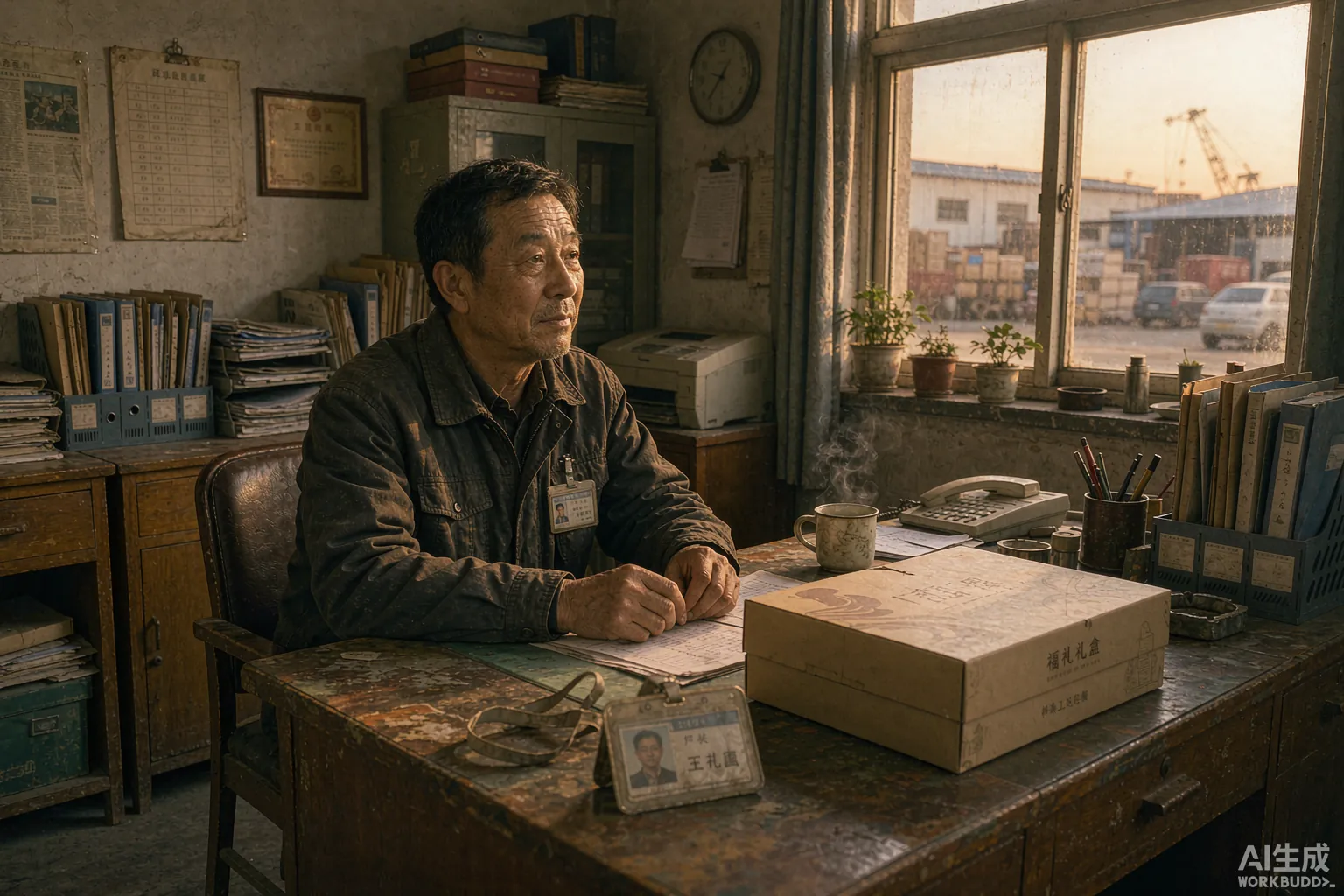
Lao Guo still has his first work ID. It is laminated, the photo faded, the corners soft from twenty years in a wallet he no longer carries. The photo shows a young man, 【待填:来莞时的年龄】years old, with a thin face and uncertain eyes, standing in front of a factory that no longer exists.
The ID says: 【待填:第一家厂的名字】. Position: assembly line worker. Date: 2003.
Lao Guo keeps it in his desk drawer, in the office of the factory he now owns. He does not look at it often. But he has never thrown it away.
2003.
He came to Dongguan on a bus, from 【待填:籍贯】, with two hundred yuan and a bag. He was 【待填:来莞时的年龄】. He did not know anyone. He got a job on an assembly line, folding boxes, twelve hours a day, six days a week, for 【待填:2003年月工资】yuan a month.
He was not special. He was one of millions — the great migration, the largest movement of people in human history, from the farms to the factories, from the interior to the coast. He did not think of it as history. He thought of it as a job, and a way to send money home, and a thing he would do for a few years before he went back.
He did not go back.
What the line taught him.
The assembly line taught him two things. The first was how to fold a box — fast, clean, the same way, a thousand times a day, until his hands could do it without his eyes. The second was harder to name.
It was this: the work was not beneath him.
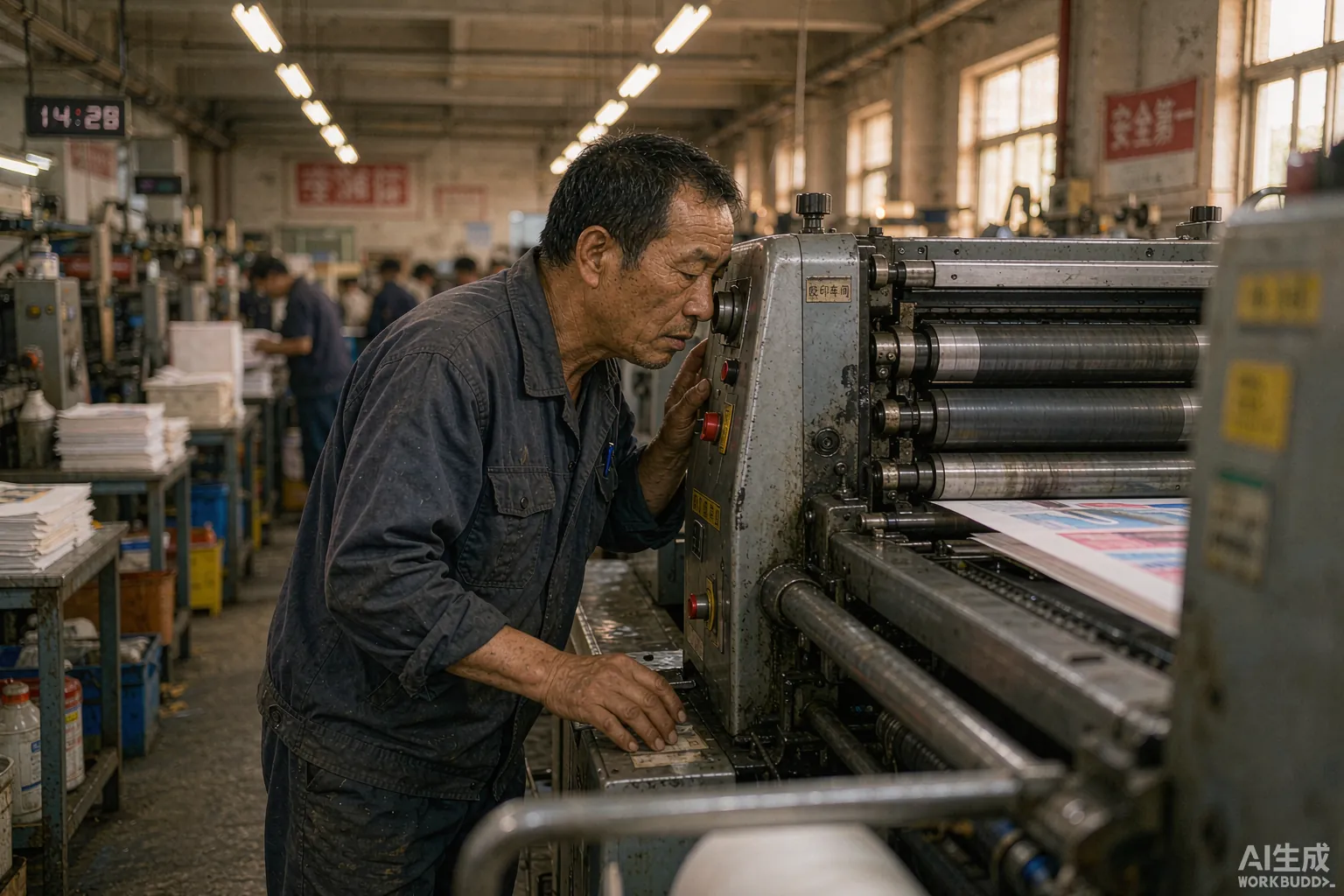
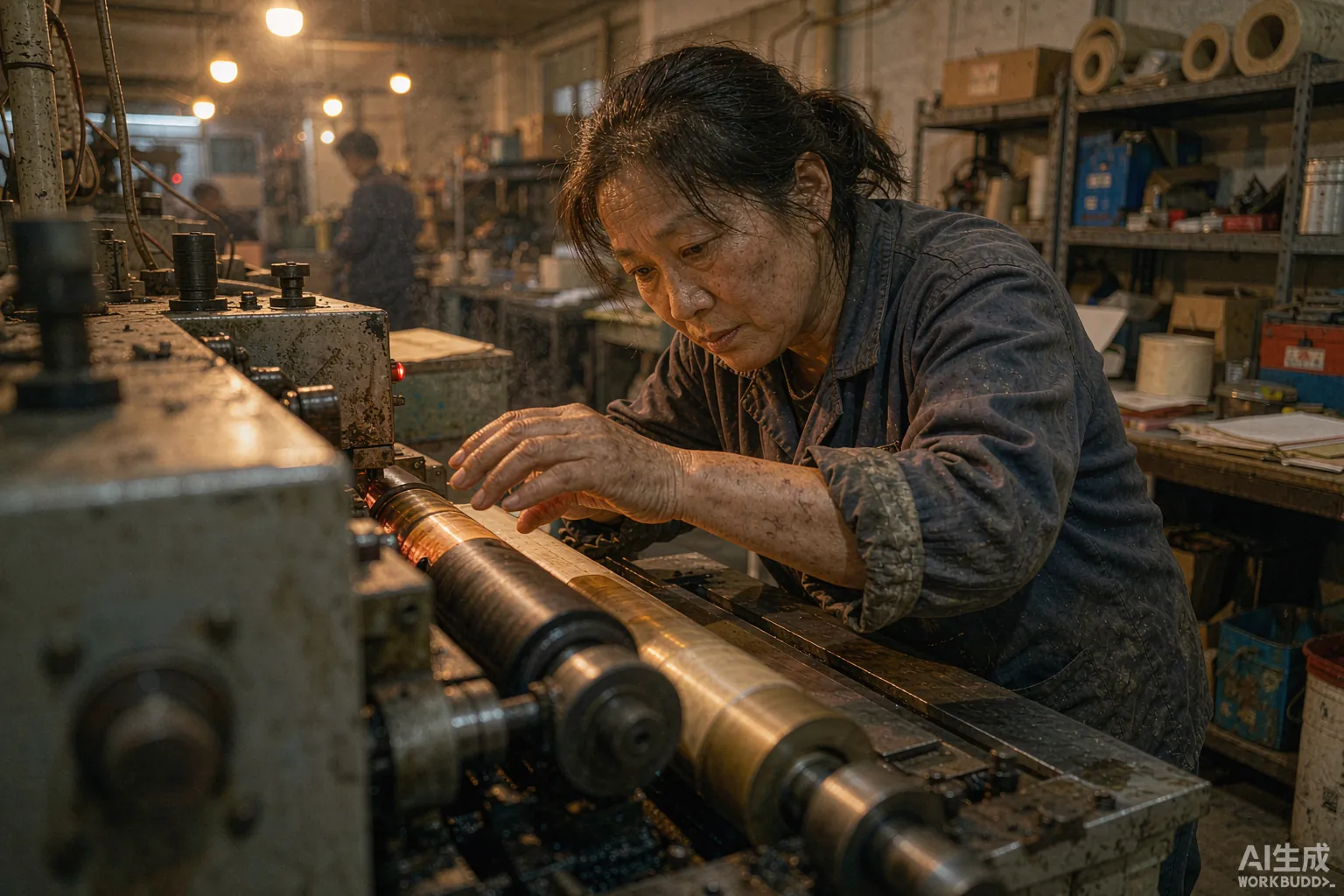
He watched the men and women beside him — the press operators, the foil-stampers, the quality inspectors — and he saw that they were not machines. They were people who had learned, over years, to do a thing better than a machine could. He watched a foil-stamper hold her hand above a plate and judge the heat, and he thought: that is not labor. That is skill.
He decided he wanted to learn a skill. He moved from the line to the finishing room, then to the quality room, then to the office, learning each job, asking questions, staying late. It took him 【待填:从工人到管理层年数】years.
2015.
In 【待填:开厂年份】, he opened his own factory.
It was not a grand opening. It was a rented floor, three secondhand machines, and eleven people — most of them, like him, people who had started on a line somewhere and learned a skill. He named the factory 【待填:厂名】. He chose the name himself. It means 【待填:厂名的含义】.
The first year was the hardest. He did not take a salary. He slept in the office, on a folding bed, because the factory could not afford for him to live anywhere else. He lost money. He almost quit.
He did not quit, because of the eleven people. They had followed him from the old factory, trusted him, bet on him. He could not quit on them.
Why he stayed.
People ask Lao Guo why he stayed in the Greater Bay Area. He could have gone anywhere. He had the skill, the clients, the savings. He could have moved the factory inland, where the rent is cheaper, where the labor is cheaper, where the government offers incentives to factories that relocate.
He stayed. He has thought about why, and his answer is not the one people expect.
It is not the rent, or the labor, or the incentives. It is the hundred kilometers.
Within a hundred kilometers of his factory, there is every single thing a box needs. The paper mill. The foil supplier. The magnet maker. The velvet-liner. The die-cutter. The courier. If he runs out of paper, a truck is back by afternoon. If a client needs a sample in forty-eight hours, the fifteen people he needs are all within reach.
But it is more than the supply chain. It is the people.
A Zhen, the foil-stamper, has been with him since the beginning. Lao Zhou, the press captain, came from the old factory. Xiao Chen, the quality inspector, was his first hire. Xiao Lin, the account manager, answered her first 3 a.m. message from a folding bed in the corner of the office, the same folding bed he used to sleep on.
These are not employees. They are the reason he stayed. You cannot move a factory and keep these people. You can only stay, and build something together, in the place where you all learned your trades.
"I did not build a factory in the Greater Bay Area," Lao Guo says. "The Greater Bay Area built the factory, through these people. I just gave it a name."
The folding bed.
The folding bed is still in the corner of the office. Lao Guo does not sleep on it anymore — the factory can afford for him to live elsewhere now, in an apartment 【待填:住处离厂距离】minutes away. But he has not thrown the bed away.
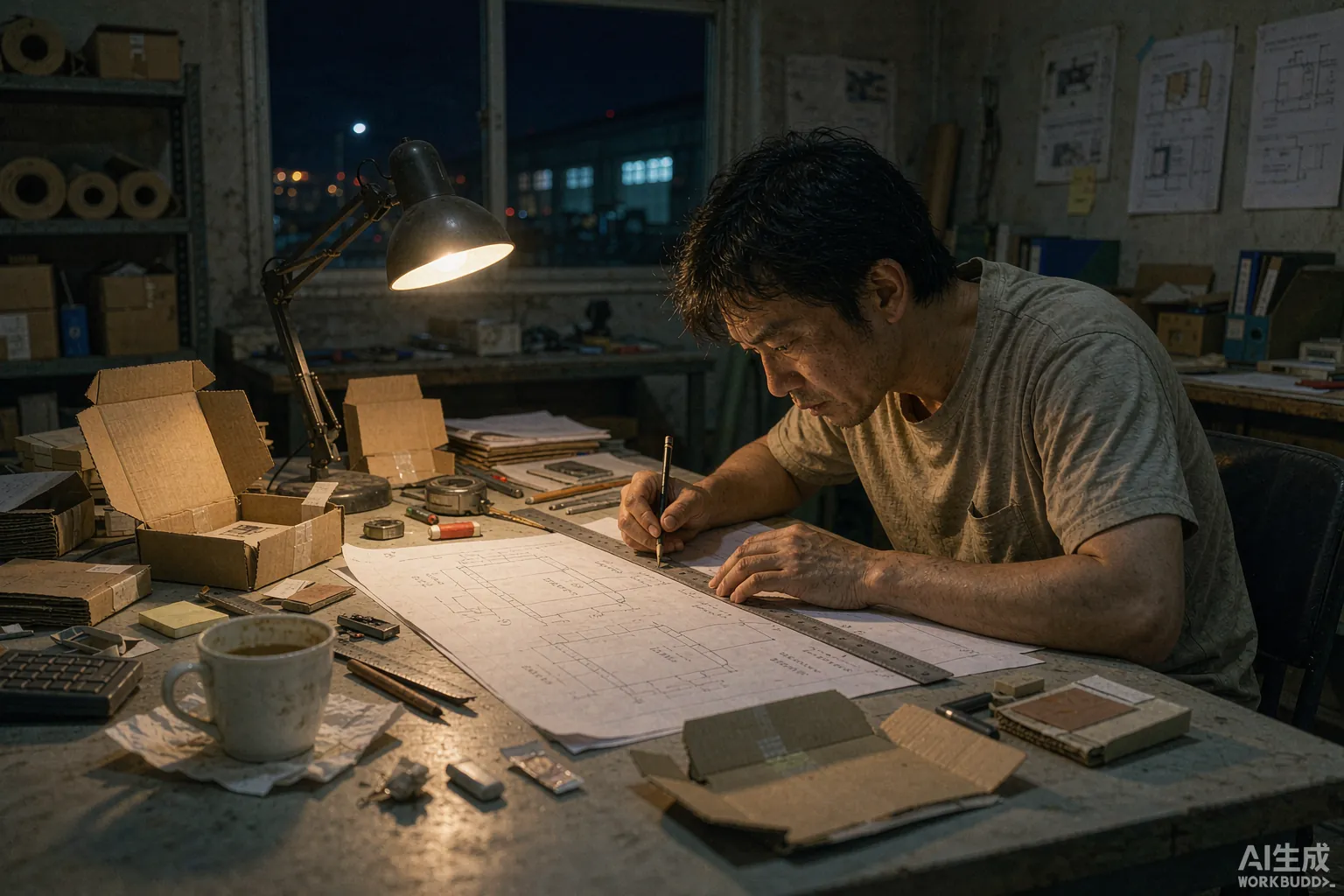
Xiao Lin slept on it, her first year, when she was learning to answer messages at 3 a.m. and could not afford an apartment near the factory. Lao Wu, the designer, has napped on it during 48-hour samples. The bed has held, at one time or another, almost everyone who matters to this factory.
It is a folding bed. It is not comfortable. It is, Lao Guo says, the most important piece of furniture he owns.
"People see the machines," he says. "They see the factory, the floor, the output. They don't see the bed. But the bed is where the factory really is. It's where people stayed, when staying was hard, because they believed in what we were building."
The young man in the photo.
Lao Guo is 【待填:年龄】now. His hair is grey at the temples. His hands, which once folded boxes twelve hours a day, now sign contracts, answer emails, hold the occasional box up to the light, the way he learned to, on the line, twenty years ago.
He still has the work ID. The young man in the photo looks back at him — thin face, uncertain eyes, a boy who came to Dongguan with two hundred yuan and a bag, who thought he would stay a few years and go home.
He did not go home. He made a home.
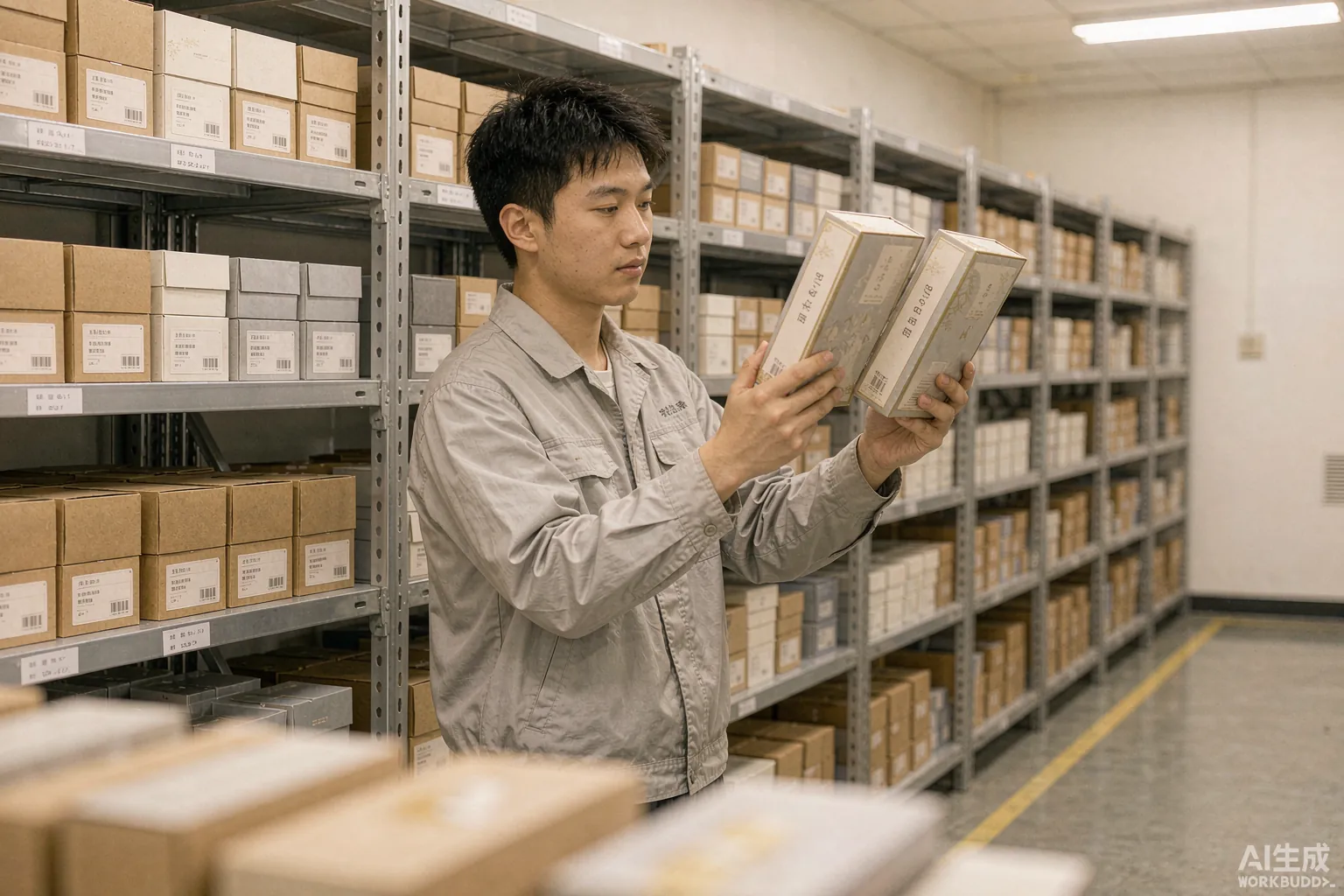
The factory he built is not large. It is not famous. It makes boxes — good boxes, boxes that travel to Dubai and Jakarta, boxes that carry perfume and jewelry and gifts, boxes that are opened by people who will never know his name.
But the people who make those boxes know his name. And he knows theirs. A Zhen. Lao Zhou. Xiao Chen. Lao Wu. Xiao Lin. The eleven who stayed, and the ones who came after.
That is why he stayed in the Greater Bay Area. Not for the rent, or the labor, or the incentives. For the people. For the hundred kilometers. For the place where a boy with two hundred yuan could become a man with a factory, and where the people who helped him could become, not employees, but family.
The ID in the drawer.
At the end of the day, Lao Guo locks the office. He turns off the light. He walks the floor one last time, past the presses, past the foil-stamper, past the sample room where Xiao Chen keeps the boxes that will never be sold.
He stops, sometimes, at the desk where he keeps the work ID. He opens the drawer. He looks at the photo — the young man, the thin face, the uncertain eyes.
He does not say anything to the young man. He just looks, for a moment, and then he closes the drawer, and he locks the office, and he goes home.
Tomorrow, the presses will run again. A Zhen will hold her hand above a plate. Lao Zhou will listen to the machine. Xiao Chen will label the samples. Lao Wu will answer an email. Xiao Lin will wake at 3 a.m. to answer a message.
And Lao Guo will be here, in the Greater Bay Area, in the factory the place built through its people, doing the work he came here, twenty years ago, to do.
He did not go home. He made one.
Profile 6 of "The People" series — and the closing piece of Series 3. The person whose factory was built by the people of the Greater Bay Area.