 English




S3-4: Lao Wu, the Designer: A 48-Hour Sample, and the Fifteen People Who Didn't Go Home That Night
Published: 2026-09-04 | Series 3: The People — Profile 4 | Reading time: 7 minutes
Lao Wu, the Designer: A 48-Hour Sample, and the Fifteen People Who Didn't Go Home That Night
The email came in at 6:47 on a Thursday evening.
A client in Dubai — a new one, a big one — needed a sample. Not a drawing, not a mock-up, a real, physical, hold-it-in-your-hand sample of a perfume box, and they needed it in forty-eight hours. They were flying to China on Sunday to visit three factories, and they would decide on Monday, and the sample had to be on the table when they walked in.
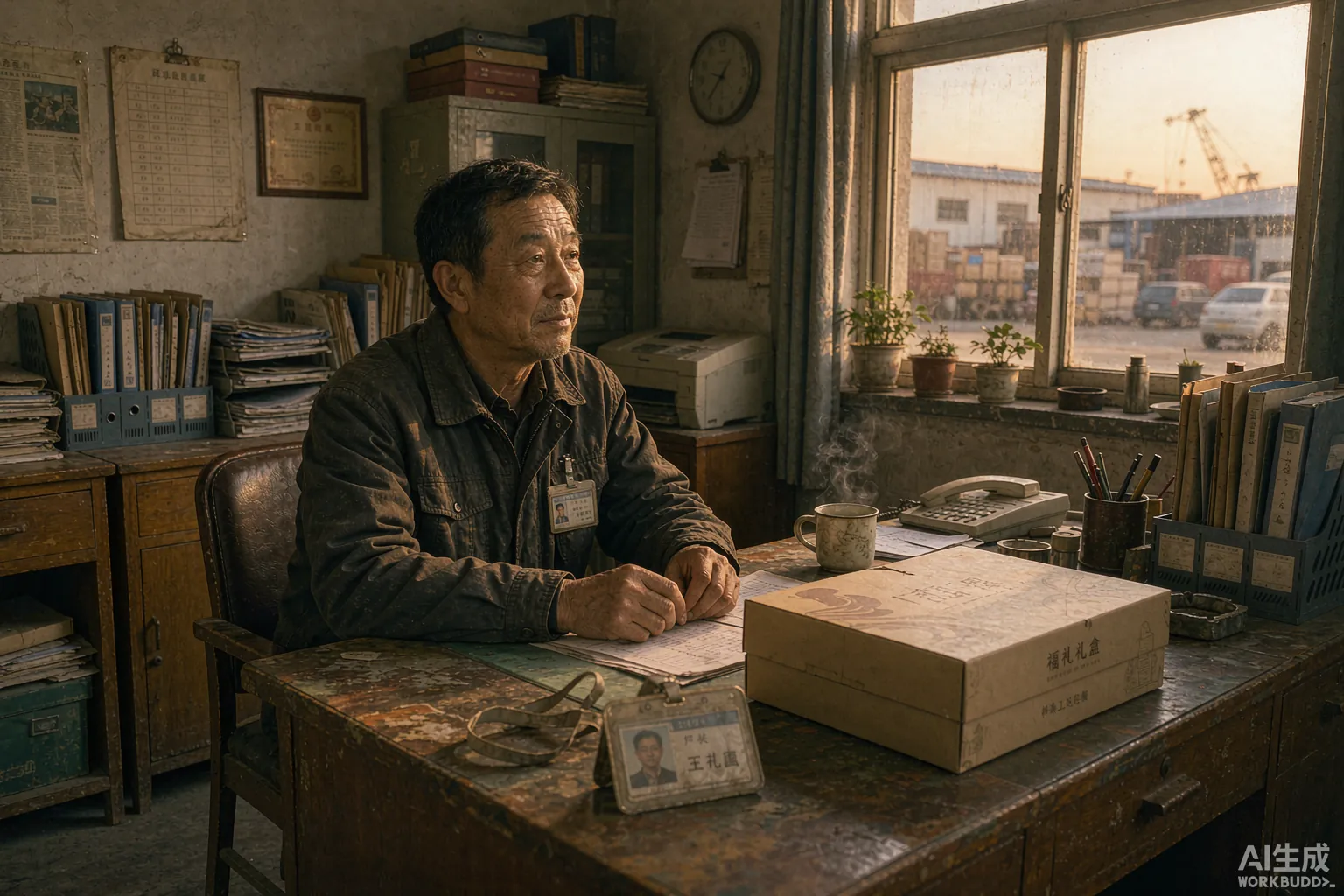
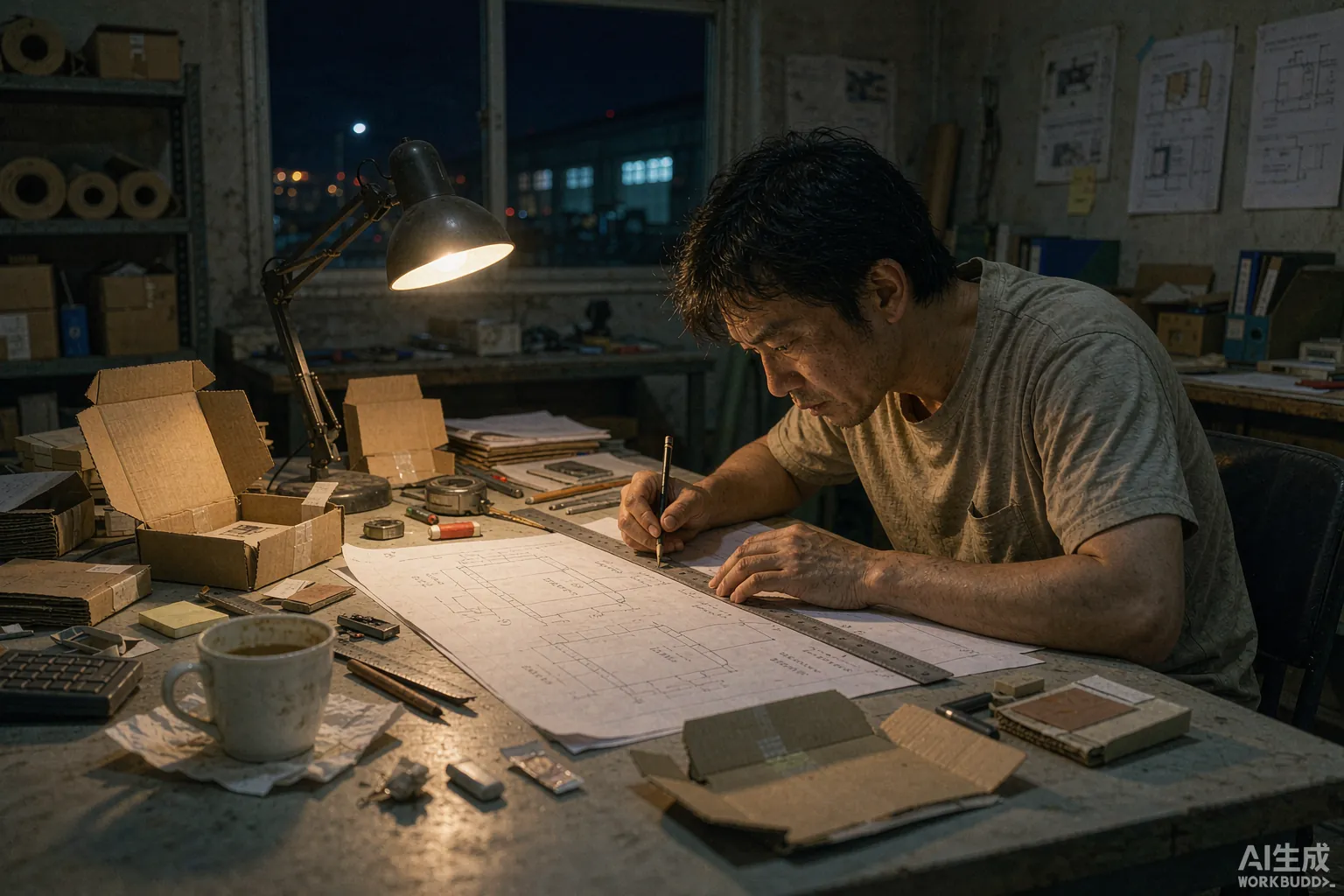
Lao Wu read the email twice. He is 【待填:年龄】, the factory's senior structural designer, from 【待填:籍贯】. He has been designing boxes for 【待填:工龄】years. He looked at the clock. He looked at the drawing attached to the email — a magnetic-closure rigid box, gold foil, velvet insert, the kind of box that takes, in the normal way of things, seven to ten days to sample.
He picked up the phone.
Fifteen people.
A 48-hour sample is not one person working fast. It is fifteen people working in sequence, each handing the work to the next, no one dropping it.
Lao Wu knows this because he has done it before. He knew, before he picked up the phone, exactly who he had to call, and in what order, and what each of them would say.
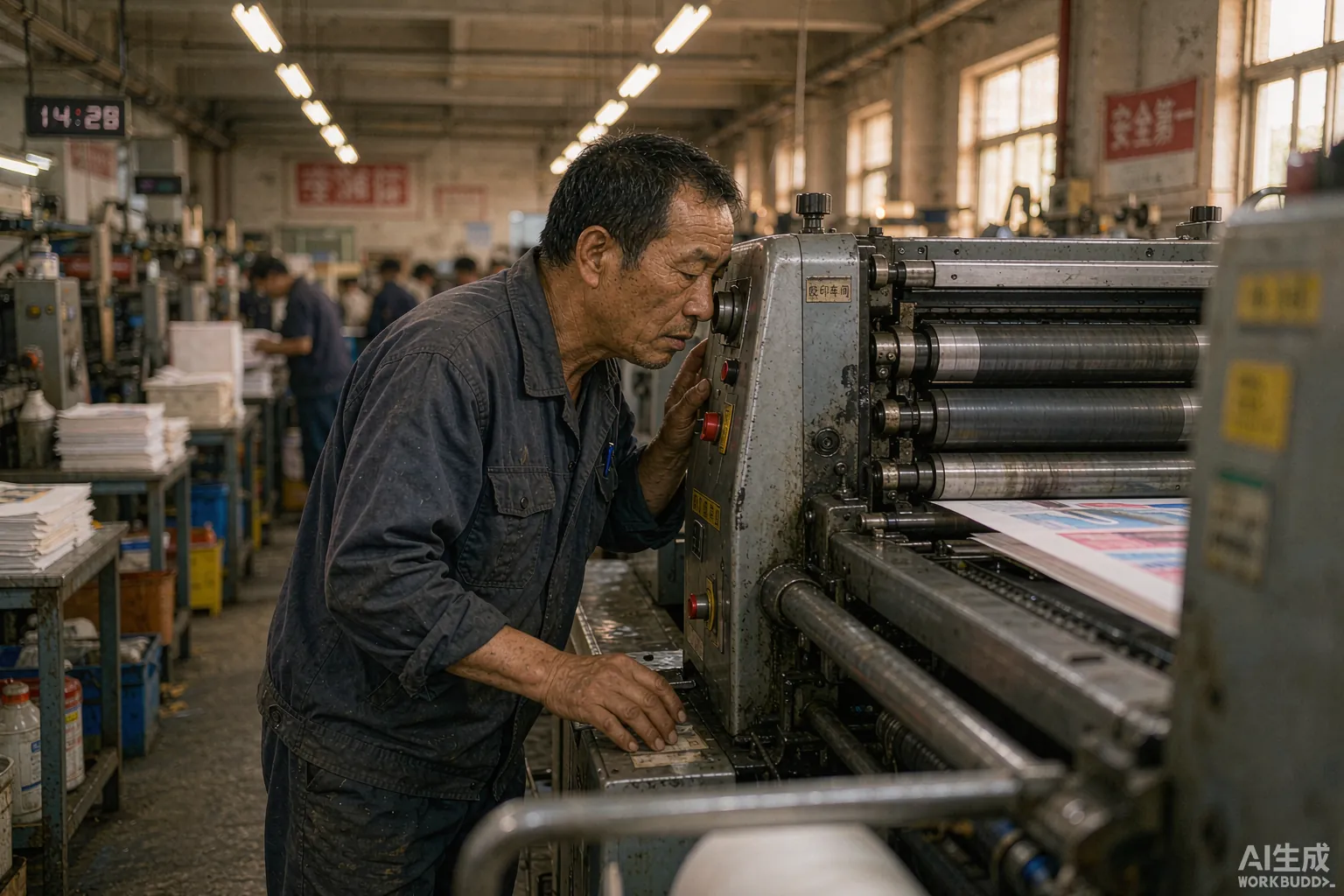
He called the structural engineer first — 【待填:结构工程师称呼】, who would take the drawing and turn it into a flat die-line, the mathematical skeleton of the box. Then the graphic designer, 【待填:平面设计师称呼】, who would lay the artwork onto the die-line, position the foil, check the registration. Then the prepress operator, who would prepare the file for the digital proofer. Then the proofer himself, who would print the first physical sheet. Then the die-cutter, who would make the cutting form. Then the cutter, the folder, the foil-stamper — A Zhen, who would have to be called in from home — the gluer, the velvet-liner, the assembler, the quality inspector, the packer, the courier.
Fifteen people. Lao Wu wrote their names on a whiteboard, in the order they would touch the work, and he looked at the list, and he thought: this only works if no one goes home.
The first night.
The structural engineer stayed until midnight, turning the drawing into a die-line. It was not just a matter of measuring. A magnetic box has a lid that must close with a certain feel — not too tight, not too loose — and the feel is a matter of fractions of a millimeter, and the fractions depend on the paper, and the paper had to be chosen before the die-line could be finished.
Lao Wu stayed with him. They argued, briefly, about the hinge. The engineer wanted a standard hinge. Lao Wu wanted a folded hinge, because the client was a perfumer, and perfumers care about how a box opens, and a folded hinge opens smoother. The engineer said a folded hinge would take two more hours. Lao Wu said, "We have forty-eight. Use two."
At midnight, the die-line was done. The engineer went home. The graphic designer, who had been waiting, opened the file and began to lay the artwork.
The second day.
By Friday morning, the artwork was set. The prepress operator ran the file to the digital proofer. The proofer printed the first sheet at 10 a.m. — a full-size, full-color proof of the box, flat, not yet cut, not yet folded, just ink on paper.
It was not right.
The gold, printed as a simulation, looked wrong — too flat, too yellow. This was expected; a digital proof cannot show real foil. But the client had never seen a foil simulation before, and if they saw this flat yellow, they would think the box looked cheap. Lao Wu called A Zhen.
"Can you stamp a real foil swatch on the proof?" he asked. "So they can see the real gold, next to the printed one?"
A Zhen, who had worked the night shift and was asleep, said, "Give me an hour."
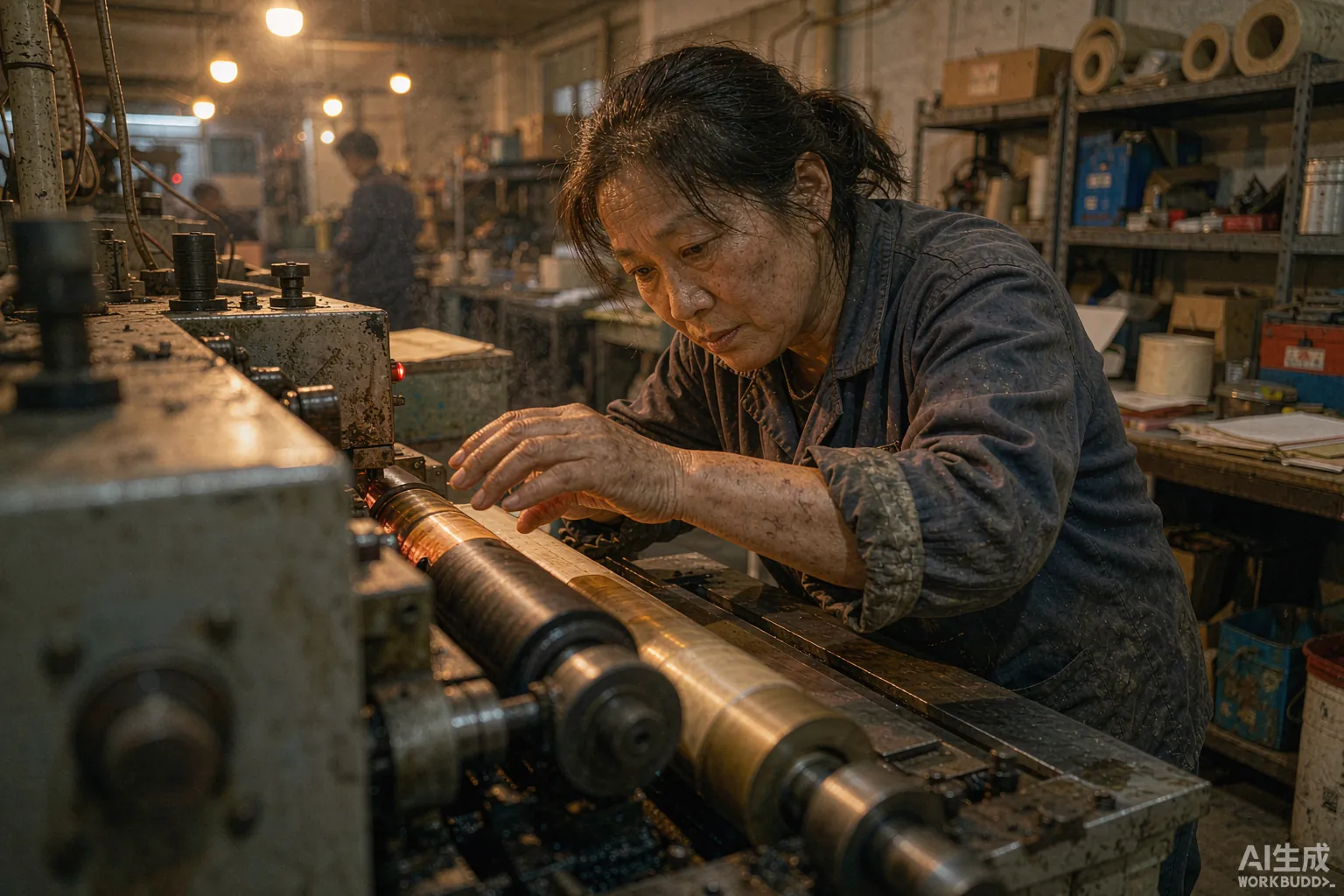
She came in. She stamped a swatch of real gold foil onto the corner of the proof, so the client could see the difference between the simulation and the real thing. It was a small thing. It took her twenty minutes. It meant the client, on Monday, would hold the proof and see, next to the flat yellow, a square of real, shining gold, and understand.
This is what the fifteen people are for. Not just to make the box. To make the box understood.
The second night.
The die-cutter made the cutting form Friday afternoon. The cutter cut the sheet. The folder scored the folds. A Zhen stamped the foil — the real foil, on the real box, her hand held above the plate, judging the heat. The gluer assembled the structure. The velvet-liner fitted the insert, cutting the flocking to hold a 100ml bottle, snug, silent.
By midnight on Friday, the box existed.
It sat on the assembly table, finished — a magnetic-closure rigid box, gold foil, velvet insert, folded hinge, the lid closing with that soft, satisfied sigh that A Zhen's foil and the engineer's hinge and the liner's velvet had made together.
Lao Wu picked it up. He opened it. He closed it. He opened it again. He held it to the light.
"Good," he said. It was the only word.
The quality inspector checked it against the drawing — every dimension, every angle, the alignment of the foil, the depth of the deboss. She found one thing: the foil on the lid was a hair off-center, half a millimeter, invisible to anyone who was not looking for it. She showed Lao Wu.
Lao Wu looked at it for a long moment. It was 1 a.m. The courier was coming at 6. There was time to make one more.
"Do it again," he said.
No one argued. They made one more.
Saturday morning.
The courier came at 6 a.m. on Saturday. Two boxes went into the courier's hands — the first one, and the second one, the one with the foil centered, the one made at 2 a.m. by people who had not gone home.
Lao Wu wrote a note and put it in the package. It said, in English, in his careful hand: "Two samples. The foil on the first is 0.5mm off-center. We include it so you can see we check. The second is correct."
The client, on Monday, held the second box. They opened it. They closed it. They felt the hinge. They saw the gold.
They placed the order. It was, at the time, the largest single order the factory had taken that year.
What forty-eight hours means.
Lao Wu does not tell this story as a story about speed. He tells it as a story about fifteen people.
"The client thinks we made a box in forty-eight hours," he says. "We didn't. We made a box in forty-eight hours because fifteen people, each of whom has spent years learning one thing, agreed, for two days, to do those things in sequence, without stopping, without one of them going home."
He keeps the whiteboard photo on his phone — the fifteen names, in order, from the structural engineer to the courier. He looks at it sometimes.
"Any one of them could have said no," he says. "A Zhen was asleep. The engineer had a dinner. The liner's kid had a fever. They all said yes."
He pauses.
"That's the factory. Not the machines. The fifteen people who said yes."
The second box.
The client never knew about the second box, the 2 a.m. box, the half-millimeter. They knew only that the sample was perfect, and that it was on the table when they walked in.
But the factory knows. And A Zhen knows, and the engineer knows, and the liner knows, and the inspector who caught the half-millimeter knows.
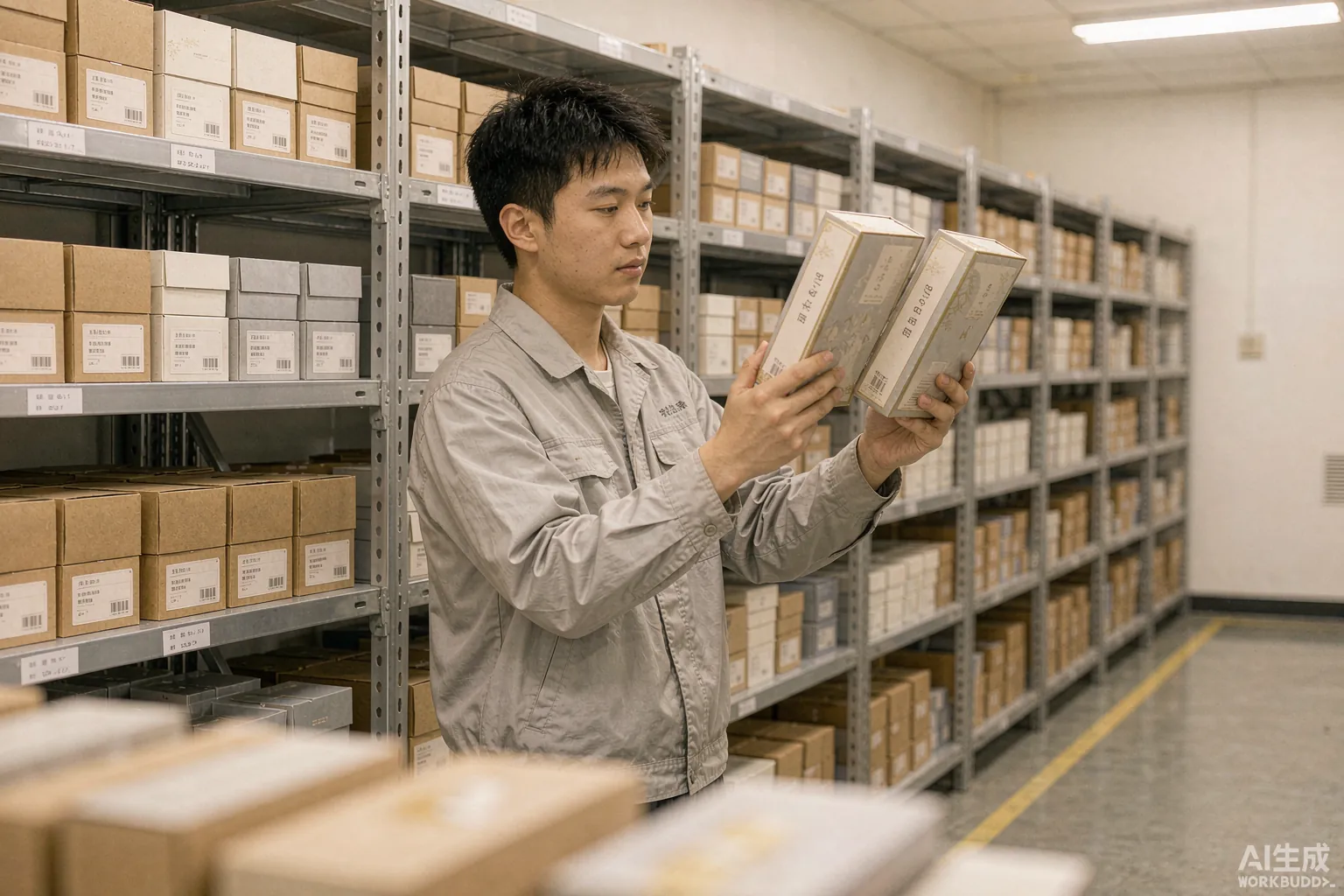
The first box, the one with the off-center foil, is still in the sample room, on Xiao Chen's shelf, labeled and dated, kept for two years. It is not a mistake. It is a record — a record of a night when fifteen people stayed, and made a thing, and then, because one of them looked closely enough, made it again, better.
That is what the box on the shelf remembers. Not the order. The night.
Profile 4 of "The People" series — and the night fifteen people stayed at the factory to make a forty-eight-hour sample for a client flying in from Dubai.