 English




S3-3: Xiao Chen, the Quality Inspector: We Keep Samples for Two Years, and One Day It Saved an Order
Published: 2026-09-04 | Series 3: The People — Profile 3 | Reading time: 6 minutes
Xiao Chen, the Quality Inspector: Two Years of Samples, and the Afternoon One of Them Saved an Order
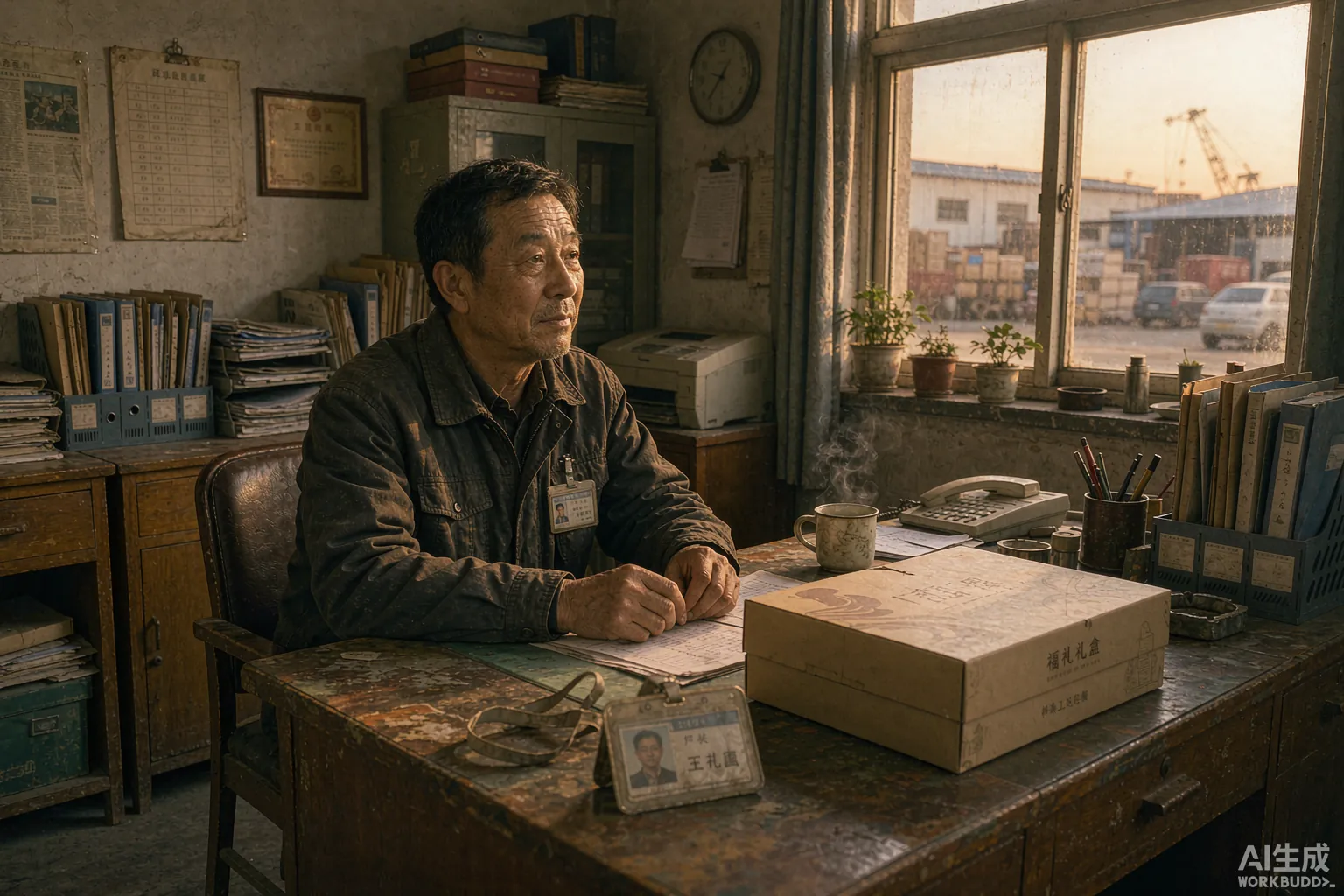
Xiao Chen keeps a room full of boxes that will never be sold.
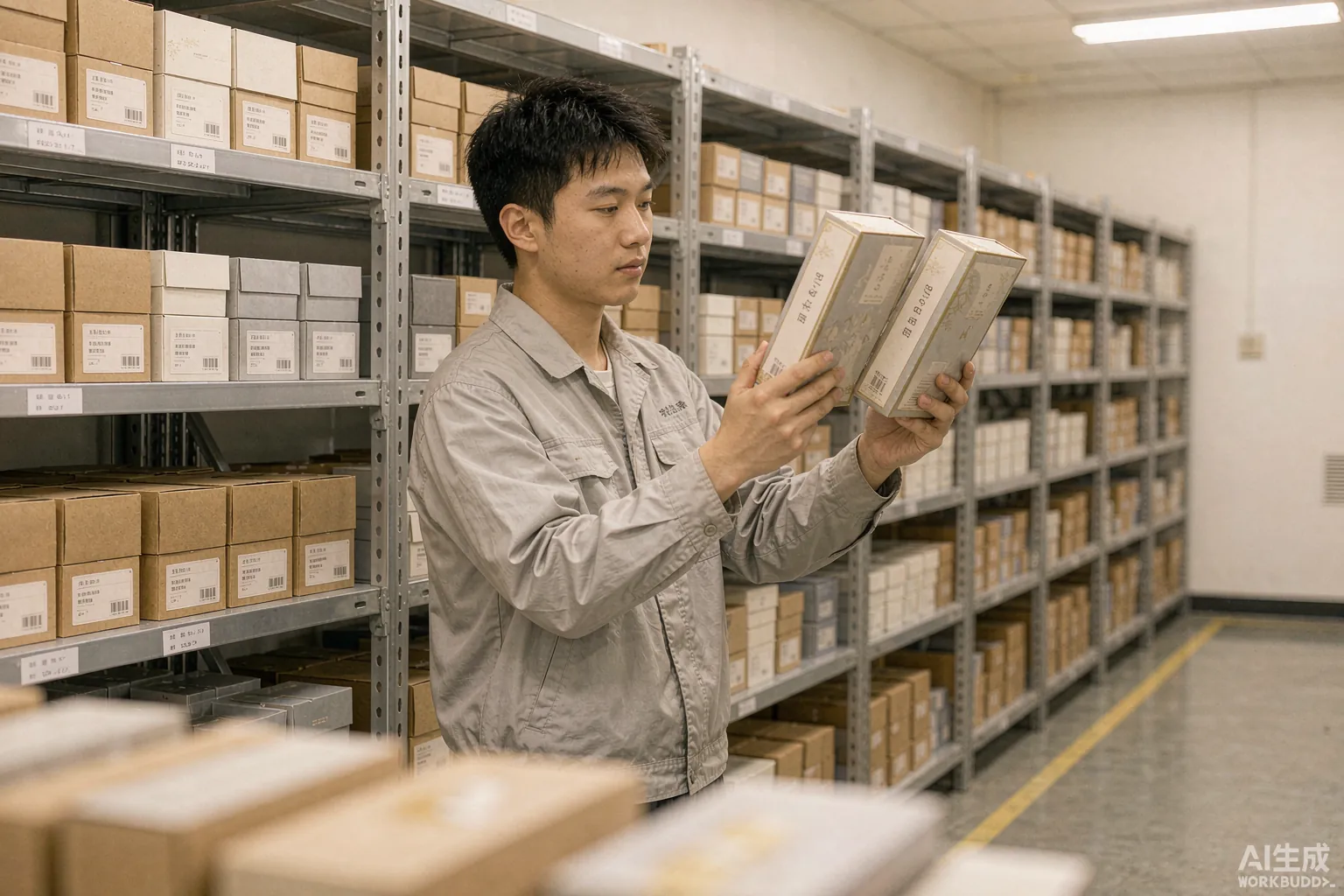
They are samples — one or two from every batch the factory has made in the last two years, labeled with the date, the batch number, the client, the paper, the ink, the press. They sit on metal shelves, in a room off the main floor, in neat rows, thousands of them, a library of things that already shipped.
Most factories keep samples for a few months. This factory keeps them for two years. It is Xiao Chen's job to keep them straight.
He is 【待填:年龄】, from 【待填:籍贯】. He has been doing this for 【待填:工龄】years. He is the youngest person in the quality room, and he is the one who remembers where everything is.
Why two years.
The rule is simple. Every batch, keep one. Keep it for two years. Label it so that, two years from now, a stranger could find it and know exactly what it is and when it was made and how.
It sounds like paperwork. It is not. It is a promise, made physical.
When a client calls, months later, and says, "The last order was perfect. Make it exactly the same," Xiao Chen does not have to guess. He goes to the shelf. He finds the batch. He pulls the sample. He holds the old box next to the new specification, and he can say, with certainty, yes, the paper was 157gsm, the foil was this shade, the fold was this deep. The sample remembers what no one's memory can.
"Memory lies," Xiao Chen says. "The box doesn't."
Two years is not an arbitrary number. It is how long a client might take to reorder. It is how long a complaint might take to surface. It is how long you might need to prove, to someone, that what you shipped was what you said you shipped. It is the length of a promise.
The afternoon.
The afternoon it mattered was a Tuesday. Xiao Chen remembers the day because of what happened.
A client in 【待填:客户所在城市/国家】had received a reorder — the fourth time they had ordered the same perfume box — and they said it was wrong. The color was off, they said. The gold was duller than the first three orders. They were not angry, exactly. They were confused, and a little worried, because they had sold the first three orders on the strength of that exact shade of gold, and now their own customers were asking why the new boxes looked different.
The factory checked the new batch against the specification. The specification said the gold was right. The press captain said the foil was the same foil. The ink supplier said the ink was the same ink. Everyone was telling the truth, and the client was still unhappy, and no one could see why.
Xiao Chen went to the shelf.
What the sample knew.
He pulled the samples from the first three orders — the boxes the client had loved. He pulled a box from the new batch — the box the client had rejected. He put them side by side, on the light table, and he looked.
The client was right. The gold was different.
But the specification was also right. The foil was the same foil. The ink was the same ink.
Xiao Chen looked closer. He held the old sample to the light, tilted it, the way Lao Zhou had taught him. He looked at the new box the same way. And he saw it.
The paper was different.
Not the foil, not the ink — the paper beneath. The new batch had been made with paper from a different lot, and the lot was a shade brighter, a fraction smoother, and the gold, sitting on that brighter, smoother surface, caught the light differently. It was the same gold. It looked different because of what was under it.
He took the samples to the press captain. He took them to the client, over a video call. He showed them the two boxes, side by side, and he showed them the paper, and he explained what had happened.
The client was quiet for a moment. Then they said, "Can you match it?"
Xiao Chen went back to the shelf. He found the sample. He found the paper specification. The factory ordered the same paper — the same lot, from the same mill — and reprinted the batch. The new boxes matched the old boxes exactly.
The client reordered. They have reordered twice since.
What the room is for.
This is what the room of unsold boxes is for.
It is not for nostalgia. It is not for decoration. It is for the Tuesday afternoon when a client says "this is wrong" and everyone else says "it can't be wrong" and the only thing that can settle it is the truth, sitting on a shelf, in a box that was made two years ago and kept, just in case.
Xiao Chen does not think of himself as a guardian of quality. He thinks of himself as a keeper of memory. The factory's memory, made of cardboard and gold.
"People think quality control is about catching mistakes," he says. "It's not. It's about being able to prove you didn't make one. And you can't prove anything without the evidence."
The evidence is on the shelves. Two years of it. He dusts it, labels it, keeps it straight, and hopes he never needs it. And on the Tuesdays when he does need it, he is the only one who knows exactly where to look.
The smallest job, the longest memory.
Xiao Chen is the youngest person in the quality room. The others have been there longer. They know more about paper, more about ink, more about the thousand ways a box can go wrong.
But Xiao Chen is the one who keeps the samples. He is the one who writes the labels. He is the one who, when a client calls from six time zones away with a problem no one can see, goes to the shelf and finds the answer.
It is not glamorous work. No one visits the sample room. No one photographs it. The boxes on the shelves will never be opened, never be given as gifts, never sit on a shelf in Dubai or Jakarta. They are the boxes that stay, so that the boxes that leave can be trusted.
Xiao Chen does not mind. He likes the quiet of the room, the order of it, the rows of labeled boxes stretching back two years. He likes knowing that, in a factory that makes ten thousand boxes a day, there is one room where every single one of them is remembered.
"Someone has to remember," he says. "That's my job. I remember."
Tuesday, again.
It is Tuesday again, a year later. Xiao Chen is in the sample room, shelving the latest batch — a run of jewelry boxes, a new client, a new shade of gold. He labels the box. He writes the date, the batch number, the client, the paper, the ink, the press. He puts it on the shelf, in its place, in the long row of boxes that will never be sold.
He looks at the row. Two years of boxes. Two years of promises, kept.
He turns off the light, and he closes the door, and he goes back to the floor, where the presses are running, where the next batch is being made, where, in two years, someone might need to know exactly what it was.
He will know. He always knows.
Profile 3 of "The People" series — the one who keeps every sample for two years, and the day that decision saved a thirty-thousand-dollar order.