 English




S2-5: From the Port: One Box's Journey Around the World
Published: 2026-09-04 | Series 2: The Bay — Finale | Reading time: 7 minutes
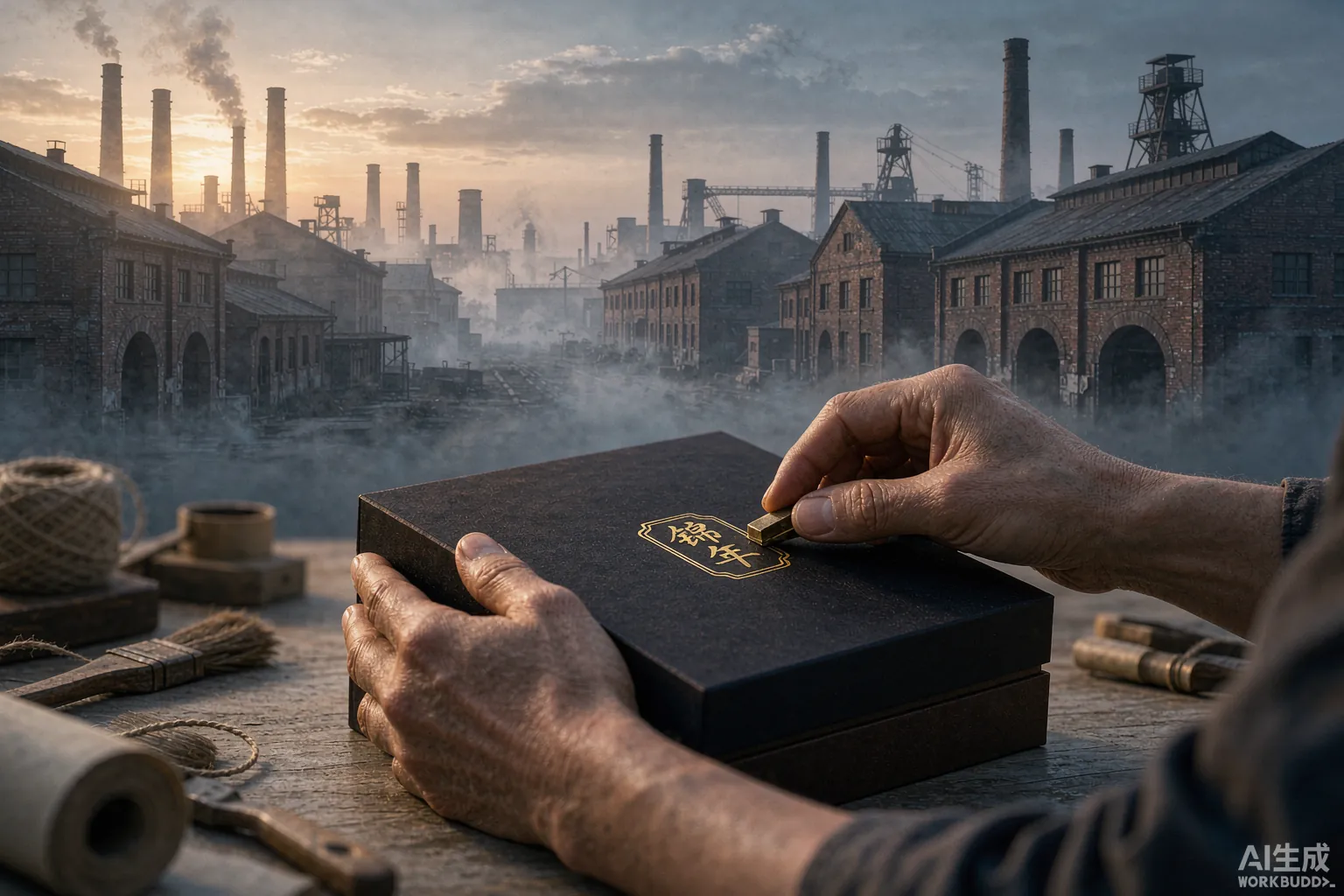
A box is born in a workshop, but it is not finished there. The workshop gives it its shape, its paper, its gold. The sea gives it something else: a destination, and a reason to exist.
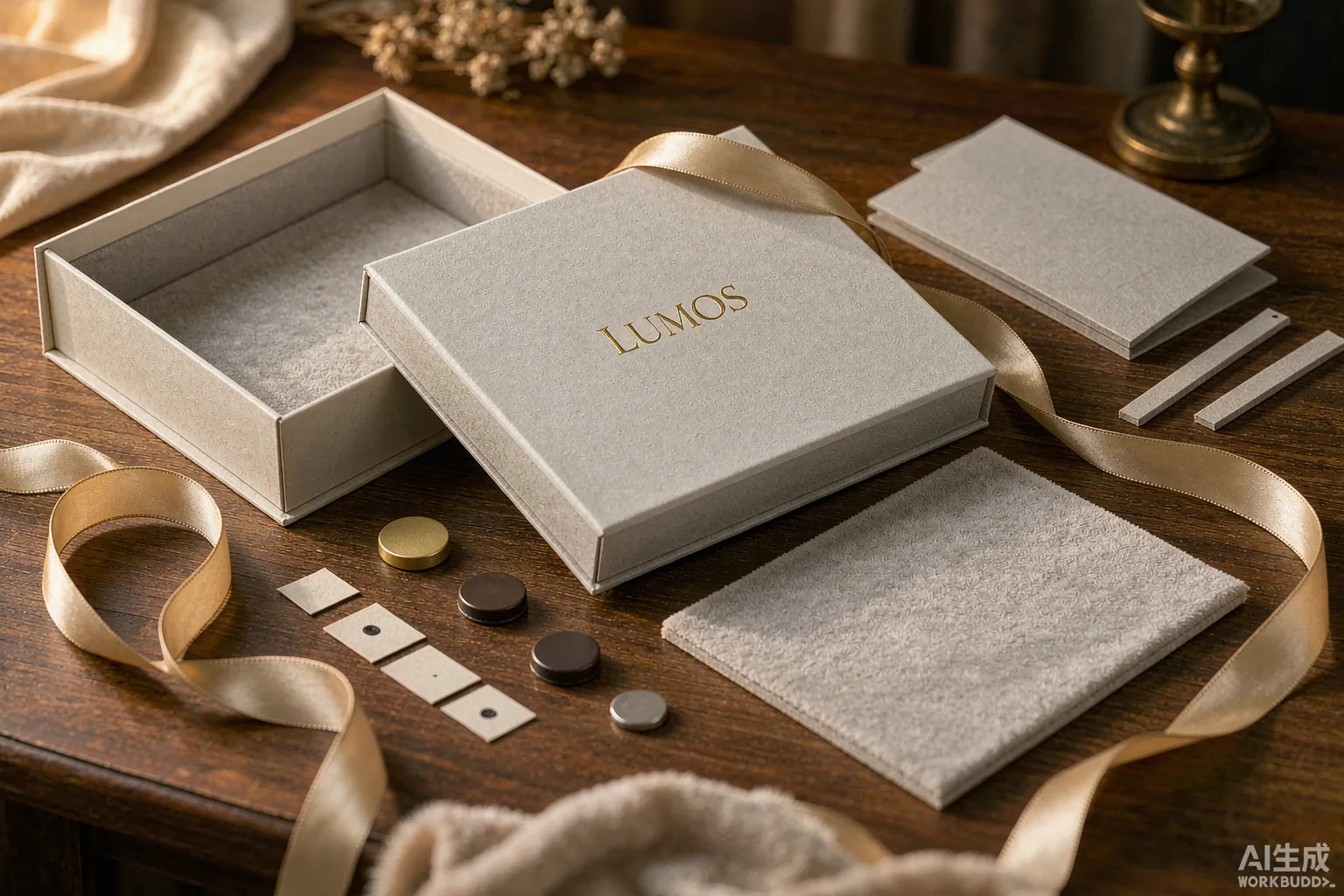
The last hundred kilometers we told you about — the paper down the road, the foil across the bridge, the magnet an hour away — that was the box being made. Now it is made. Now it has a name stamped under the lid. Now the world has to come and get it.
That is where the journey begins. Not in the workshop. At the water.
To the port.
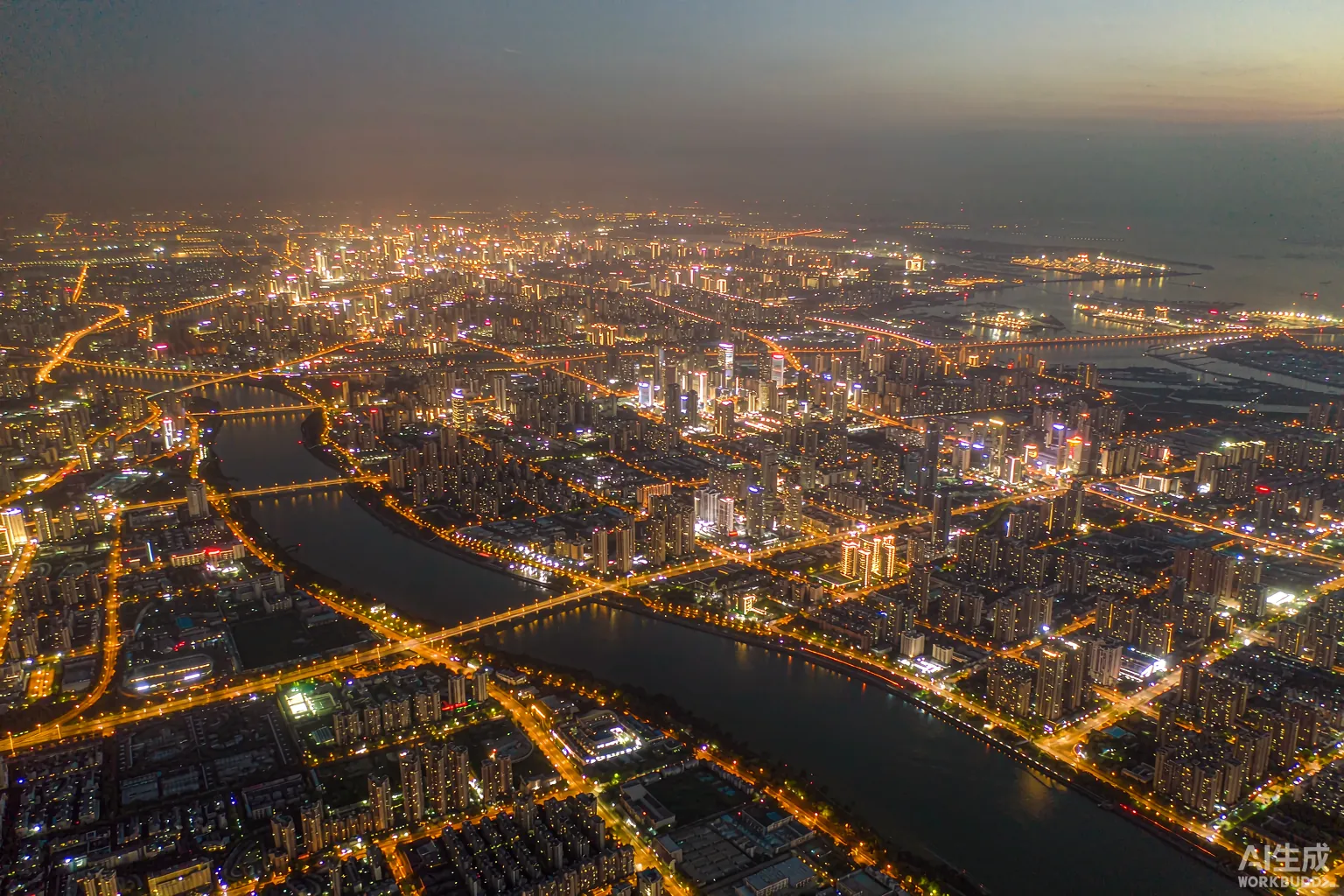
In the delta, the road to the water is short. A truck leaves the factory in the evening, and by midnight it is threading through the gates of a port the world has learned to pronounce: Shenzhen, Guangzhou, Nansha, Yantian. These names used to mean nothing to anyone but dockworkers. Now they are the throat of the world's trade.
The box rides in a container — forty feet of steel, sealed, numbered, tracked. To the men loading it, it is just another box among thousands. To us, it is the only box. Everything we made, everything the neighborhood made, everything forty years taught us — all of it, folded and packed and riding out toward the sea.
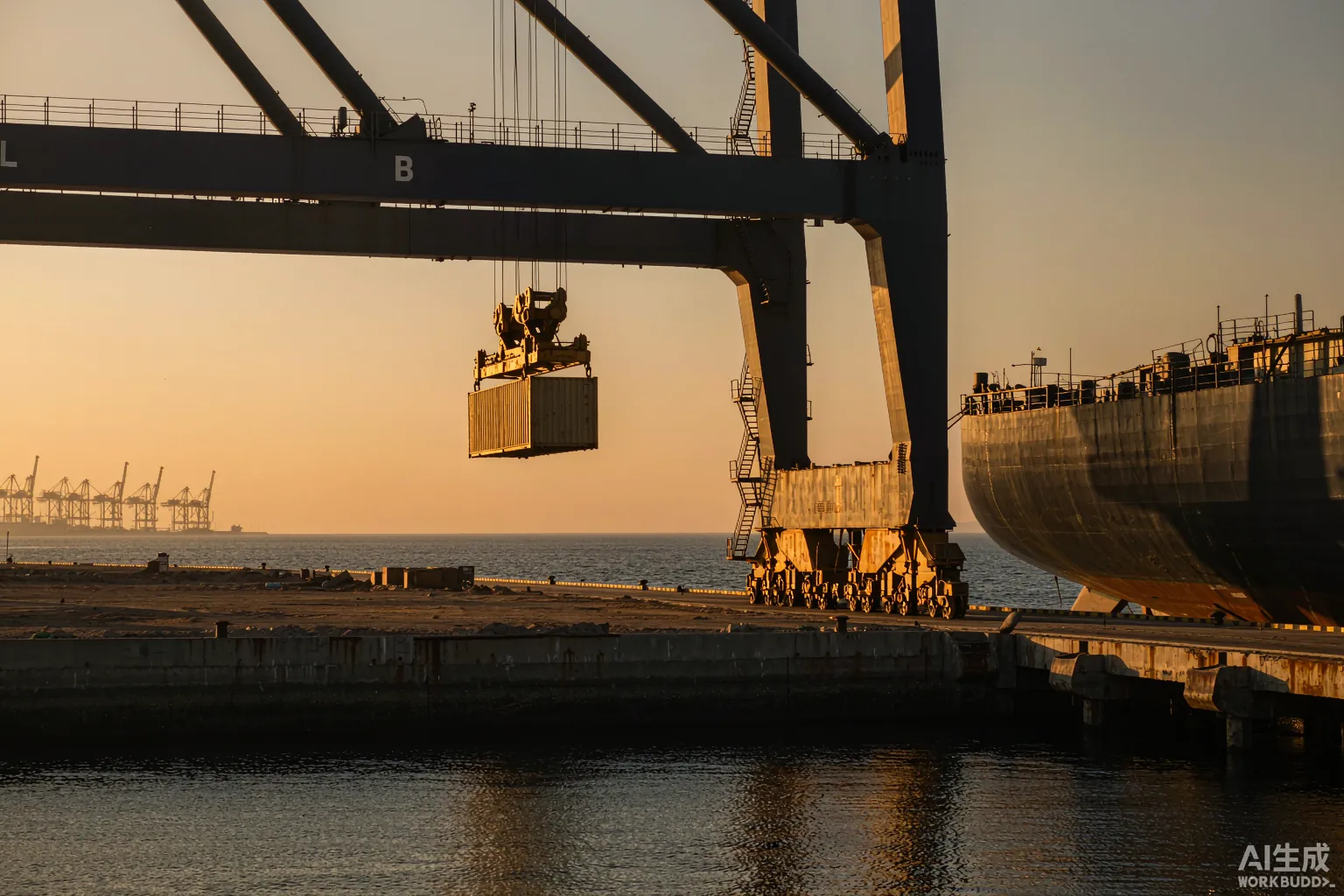
A crane lifts the container. The ship is enormous, and the container is small. This is the first lesson the sea teaches every maker: what felt big in your hands is nothing out here.
At sea.
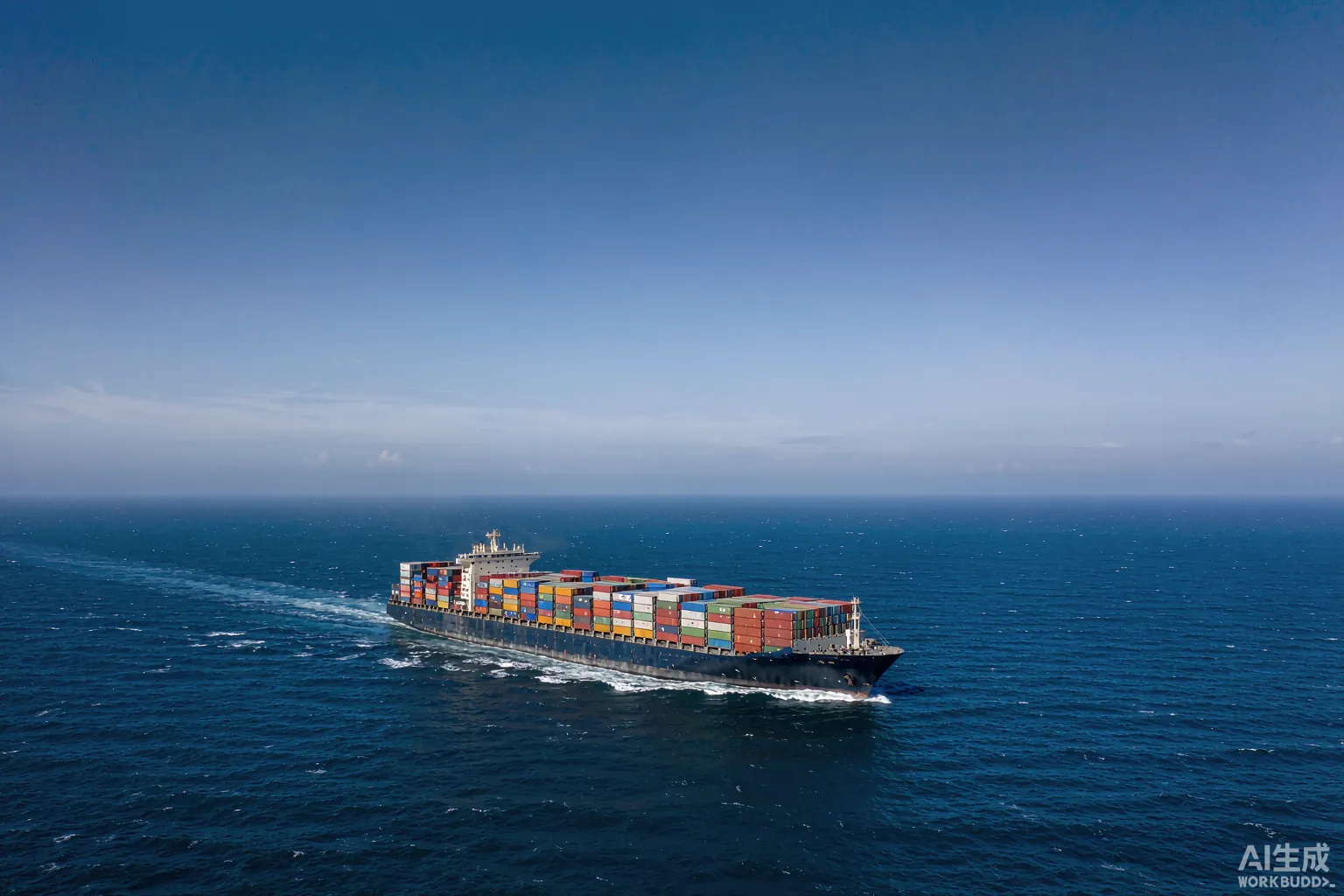
Then the water. The box does not know it is crossing the South China Sea. It does not feel the months of planning, the drawing sent on Monday, the sample in hand by Friday, the signatures, the sleepless nights. All of that is behind it now, sealed inside, traveling as quietly as cargo always does.
A ship does not hurry. It moves at the speed of certainty — steady, day after day, through water that has carried trade for a thousand years. The same sea, roughly, that carried porcelain and silk out of this same coast, centuries ago. The cargo changes. The direction does not.
For two weeks, sometimes three, the box is nowhere — between ports, between languages, between time zones. It belongs to no one on this stretch. Or rather, it belongs to the sea, which has always been the road. We told you that once. It is true out here, where there is nothing but water and weather and the patient hum of engines.
Jebel Ali.
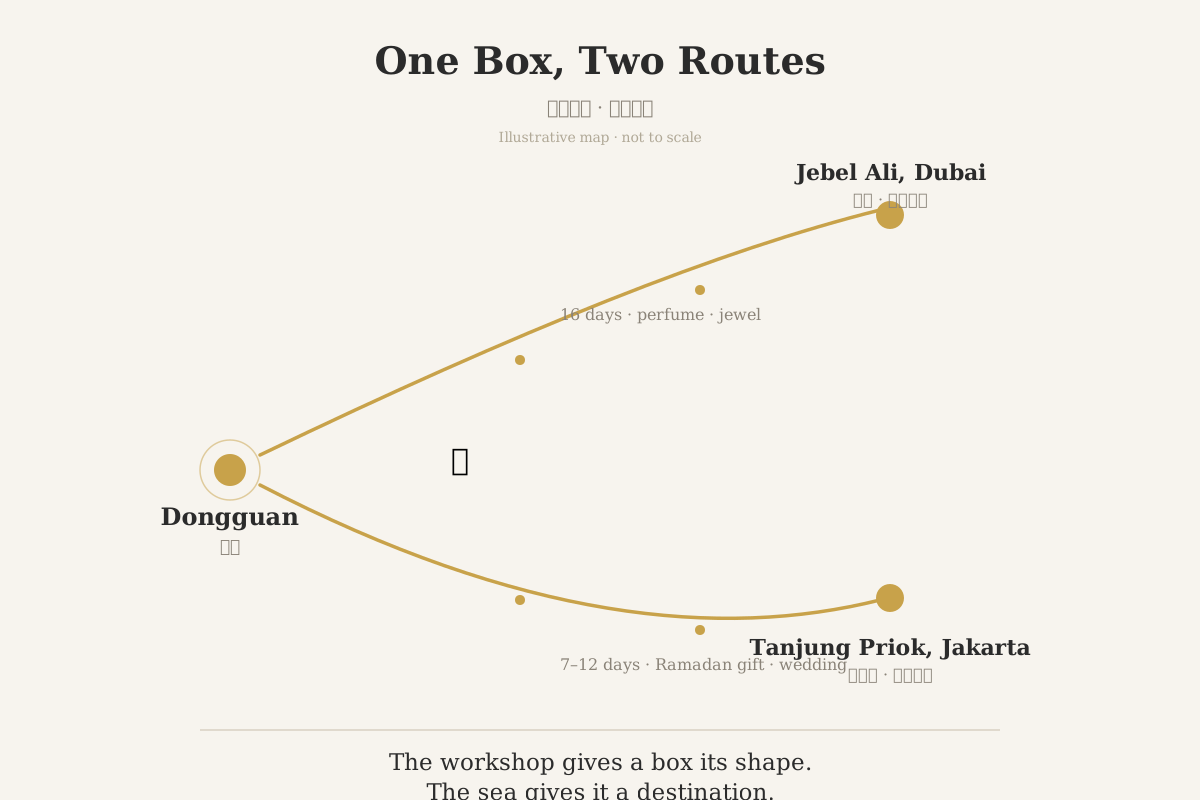
Then, land. The first port that matters for our kind of box is Jebel Ali, Dubai — the great hinge between East and West, where a container can be unloaded in the morning and re-exported to Riyadh by evening.
Dubai does not make much itself. What it does is move — and it moves everything, including our boxes. A gift box stamped in Dongguan on Monday can be on a shelf in Dubai the same month, and in Saudi Arabia, Egypt, or East Africa not long after. The Gulf is not one market. It is a doorway, and Jebel Ali is the keyhole.
This is where the box meets the world we made it for — the perfumers, the jewelers, the hoteliers, the brands who understand, as our craftsmen understand, that a box is not a container. It is the first thing a customer touches, before the thing inside.
Tanjung Priok.
And south. Another port, another name the dockworkers know: Tanjung Priok, Jakarta. Southeast Asia's door, the port that feeds an archipelago of two hundred and eighty million people, thousands of islands, and one of the busiest e-commerce movements on earth.
Here the box becomes something slightly different. In the Gulf, it might hold perfume or a jewel, a thing of ceremony. In Jakarta, it might hold a Ramadan gift, a wedding favor, a brand's first impression to a customer in a crowded market. The same box, two different lives. That is what the sea gives a box: not just a destination, but many.
A box does not choose its meaning. The shore it lands on does.
The box that left home.
Somewhere in all this water, a quiet thing happened to our box. It stopped being ours and started being the world's.
We made it. We signed it. And then we let it go — because that is the whole point. A box is made to travel. It is made to carry something precious to a stranger on the far side of the sea, and to do it with enough care that the stranger feels the care, without ever meeting the hands that made it.
That is the oldest, quietest thing about our trade. The maker and the receiver never meet. The box is the only bridge.
So this is where the second story ends — at the water's edge, watching a container vanish into the distance. The first story was the craft, the thousand years of paper and ink and gold. This story was the place, the forty years, the hundred kilometers, the turn.
The next story begins out there, where the box is going. It is the story not of how we make things, but of the worlds we send them to — the perfumes of the Gulf, the art of Arabic calligraphy, the feasts of Ramadan, the new Silk Road.
That is the story that begins now. But first, one last look back at the shore.
A box is born in a workshop. It becomes something else at sea.
GBA Pack — Made in Dongguan. Travelling the world. Dongguan, China.