 English




S2-4: Dongguan's Turn
Published: 2026-09-04 | Series 2: The Bay — City | Reading time: 7 minutes
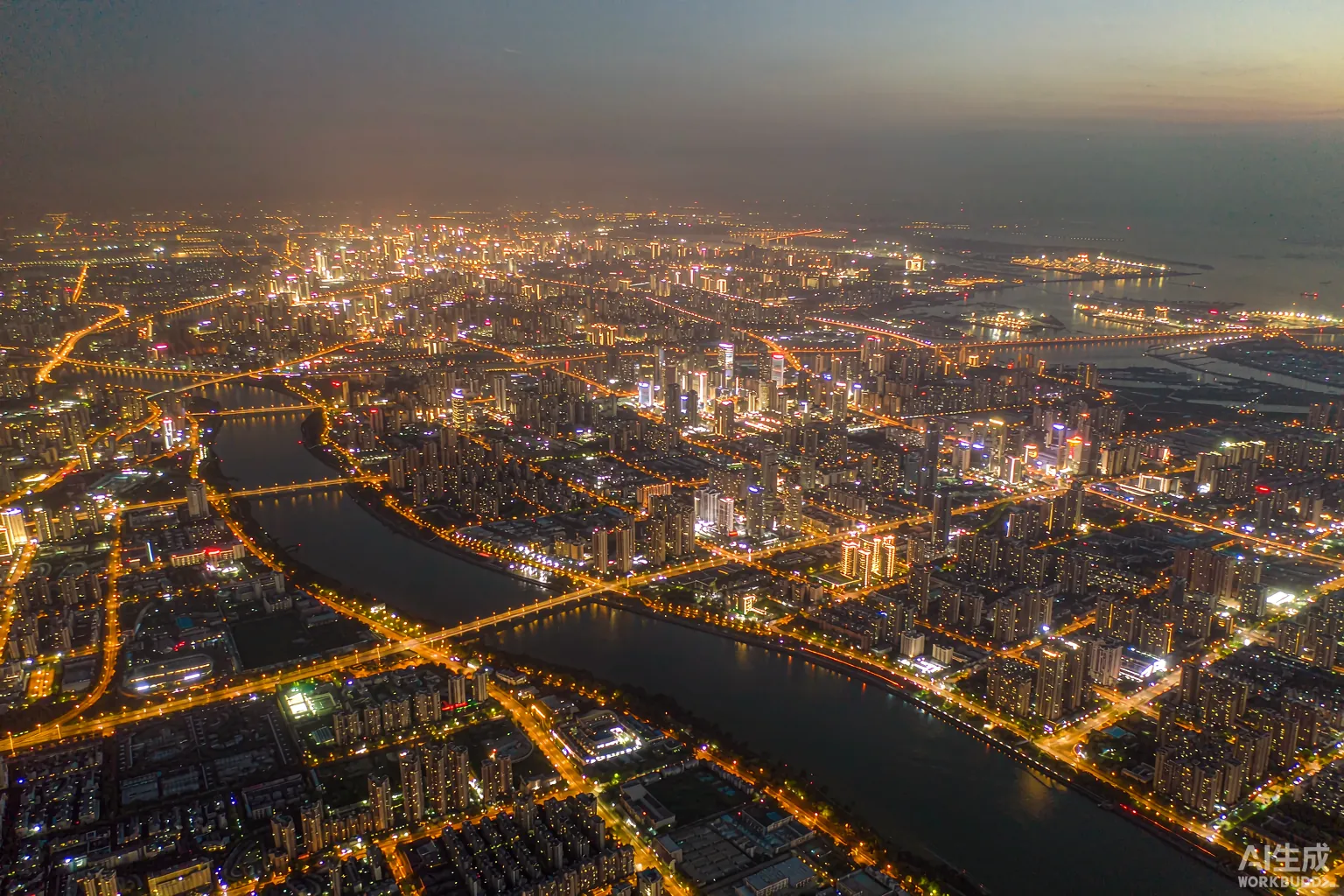
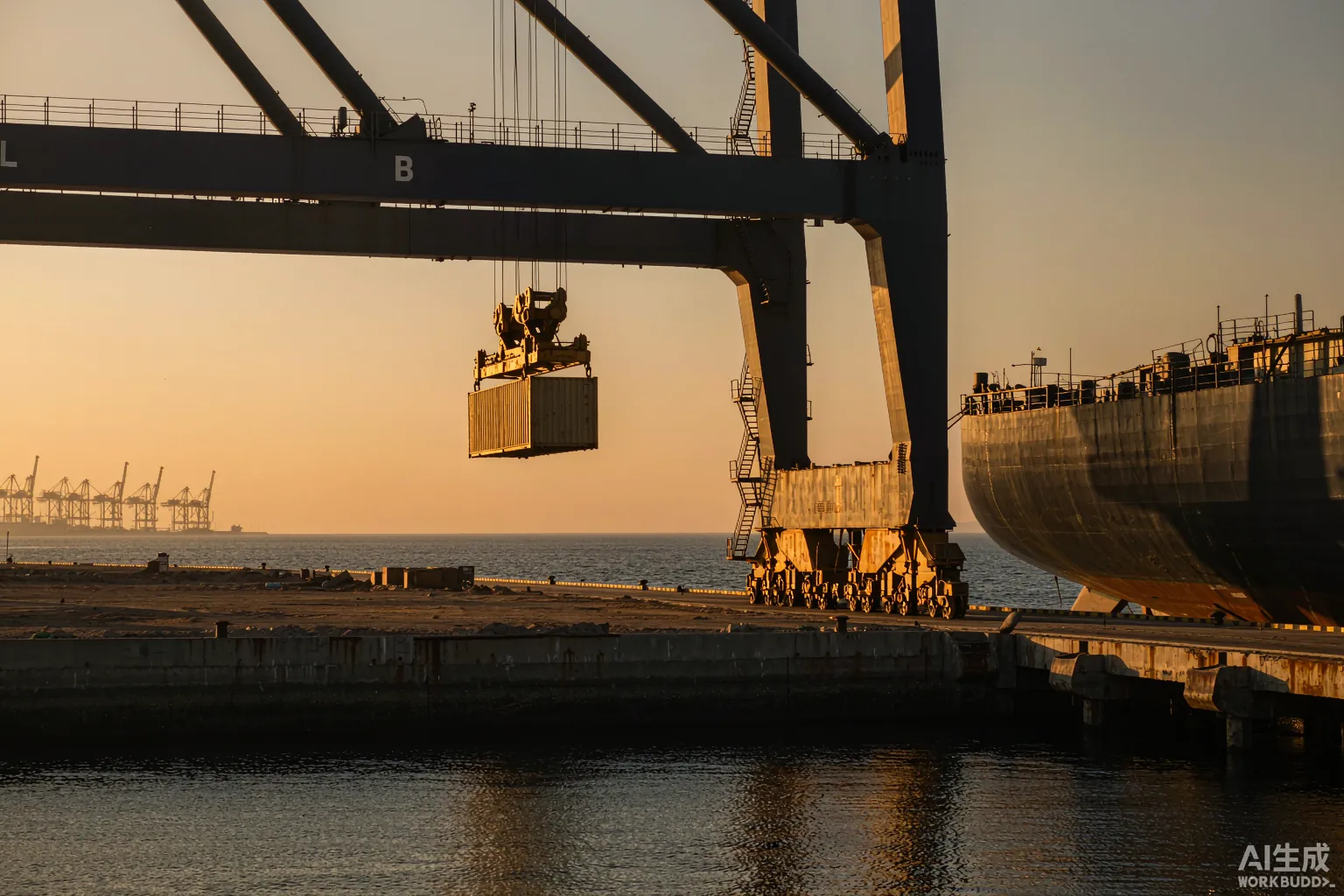
There is an old saying people used to repeat about Dongguan, half in pride and half as a joke: when Dongguan's traffic jams, the world runs out of goods.
It was true, once. The city made so much, so fast, that a single stalled intersection could ripple into empty shelves on another continent. That was Dongguan's old fame — the fame of being everywhere and nowhere at once.
The world knew Dongguan the way it knows an engine: you never see it, you only feel it working. And an engine, no matter how hard it works, never gets its name on the hood.
The city without a signature.
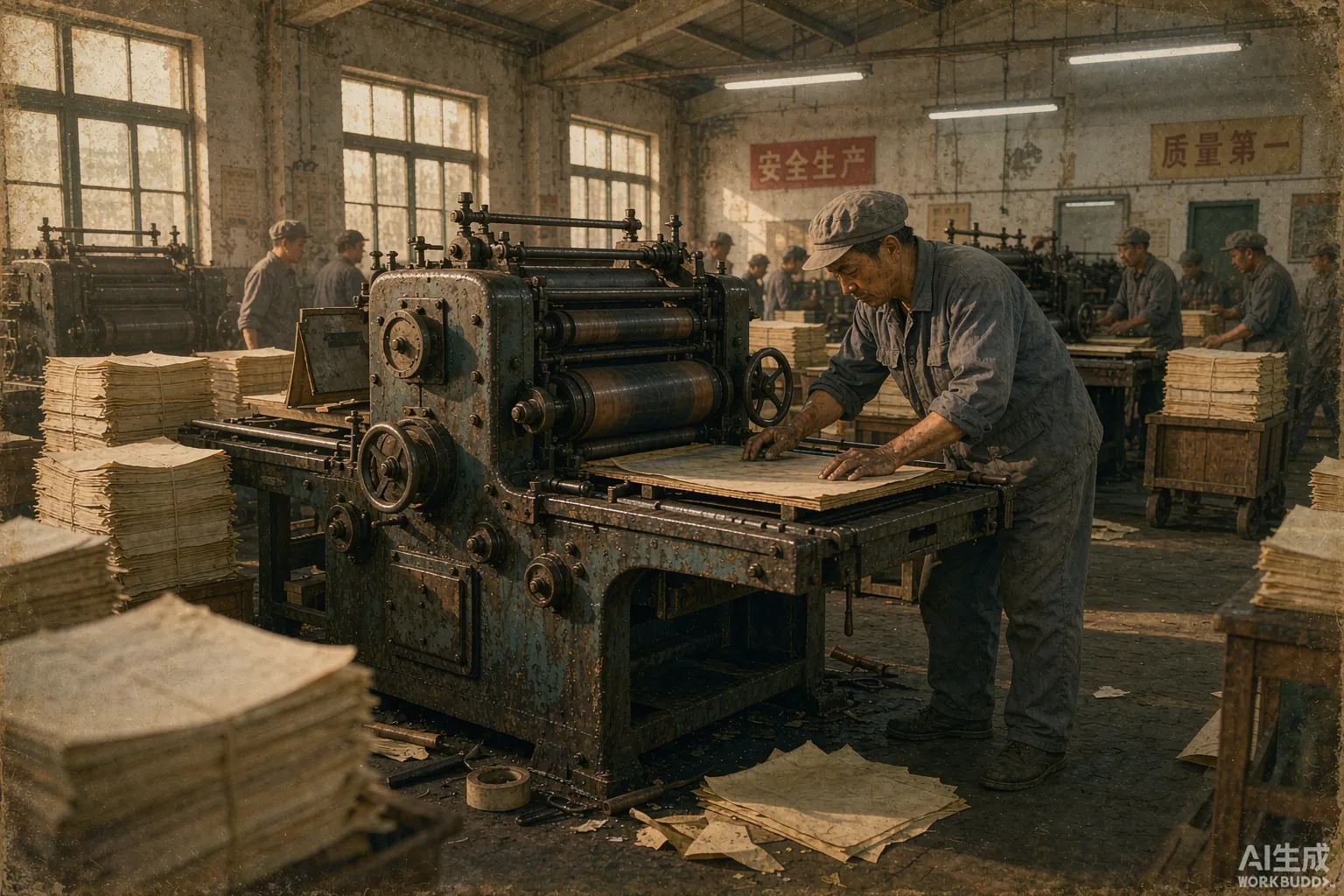
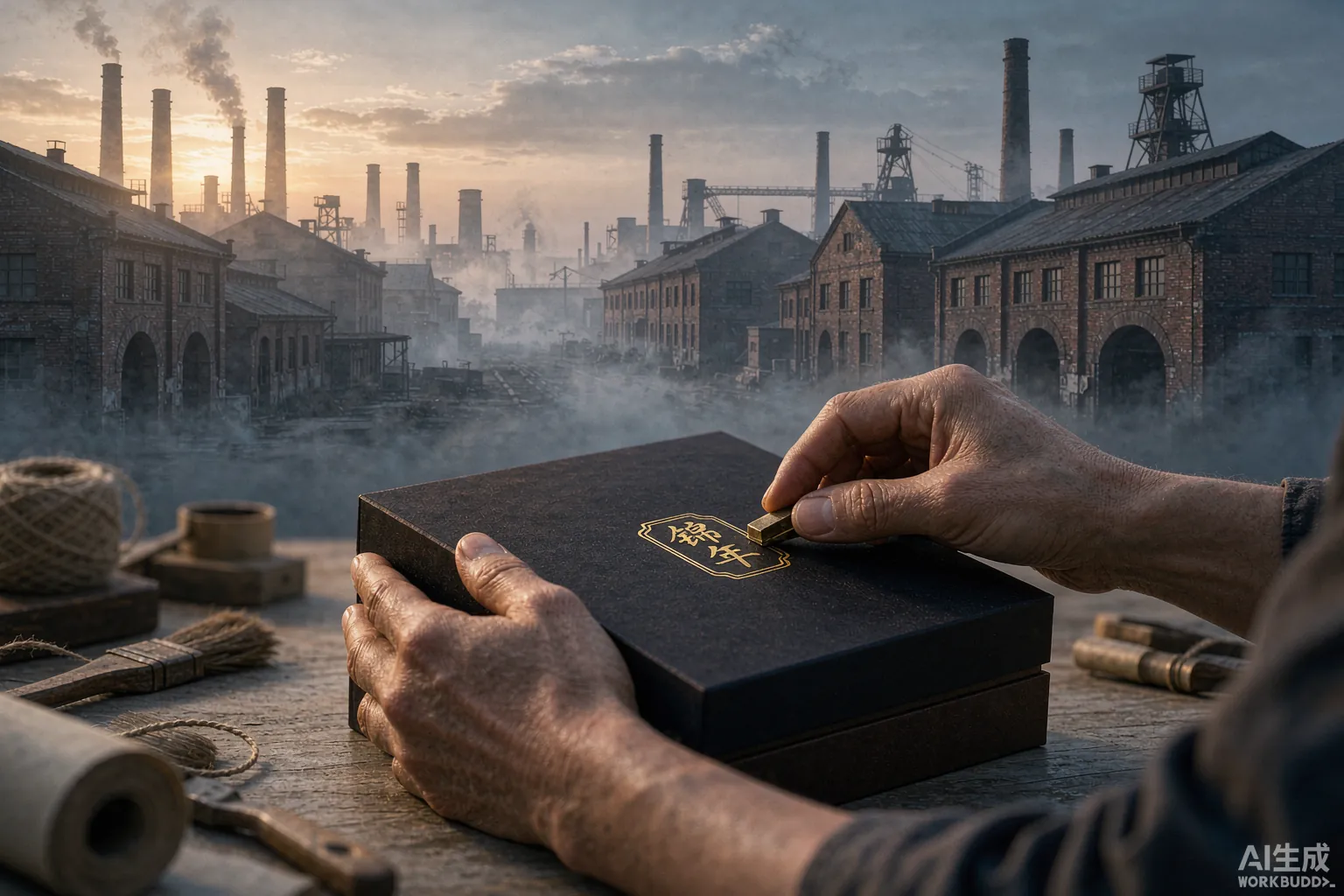
For four decades, Dongguan made the world's things. The phone in your pocket, the shoes on your feet, the toy in a child's hand — odds are, a piece of it passed through this city. It made with astonishing skill, at astonishing speed, and it signed none of it.
That was the arrangement, and for a long time it was enough. You take the order, you match the drawing, you ship the goods. The brand belongs to someone else. The city's name appears nowhere except a customs form, in letters so small they might as well not exist.
This is the quiet wound of a factory town: you can make the whole world's beautiful things and still be invisible. The things carry your hours, your hands, your sleepless nights — and not one of them carries your name.
The moment a city says: enough.
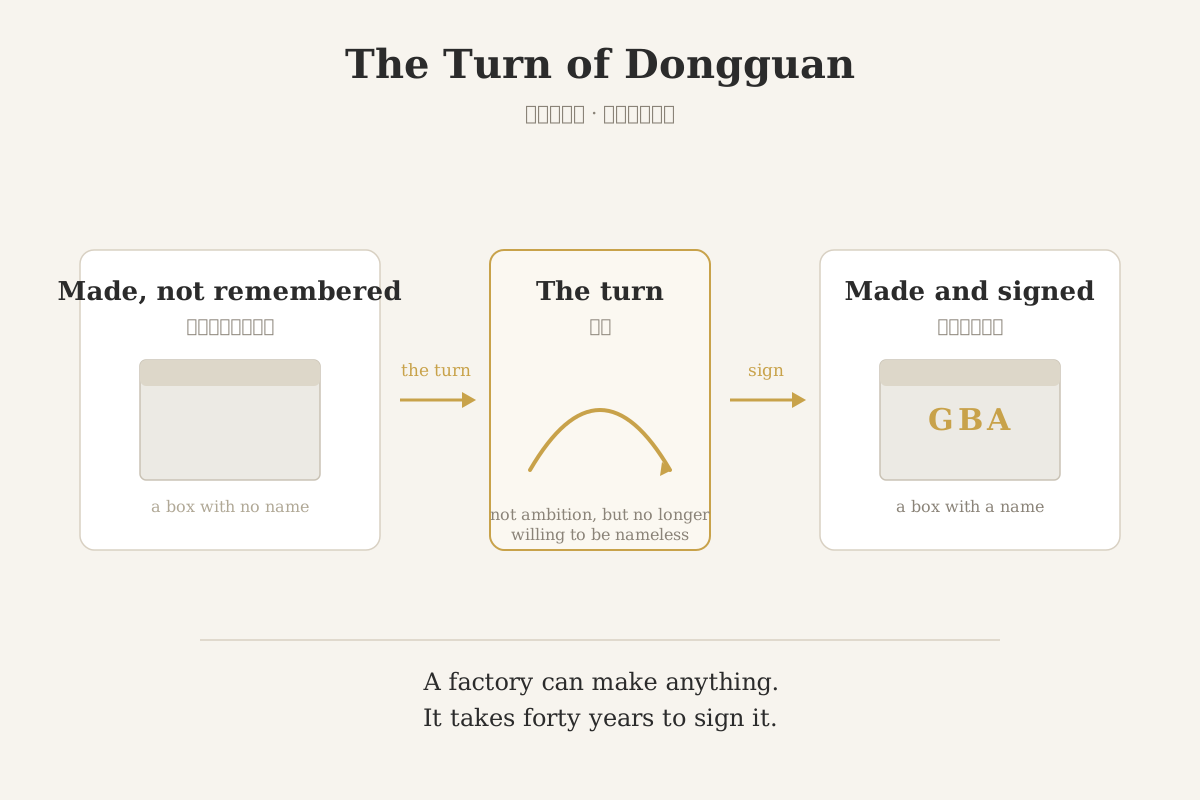
Every turn begins somewhere small. Not in a headline, not in a policy. In a factory owner standing at 2 a.m. over a sample that is almost right but not quite, deciding — for the first time — that "almost right" is no longer acceptable.
That is the seed of the turn. Not ambition, but dissatisfaction. A city does not change because it dreams of being bigger. It changes because it has grown tired of being nameless.
And slowly, stubbornly, the question changed. It used to be: can we make it? Then it became: can we make it better than anyone asked us to? And finally, the question no factory town had dared to ask: can we make it so well that they ask who made it?
A turn is not a retreat.
Let me be clear about what Dongguan's turn was not. It was not a turn away from making things. It was not the city deciding factories were beneath it, and running off to something cleaner and easier.
That would have been the coward's turn — to abandon the hands because they were tired.
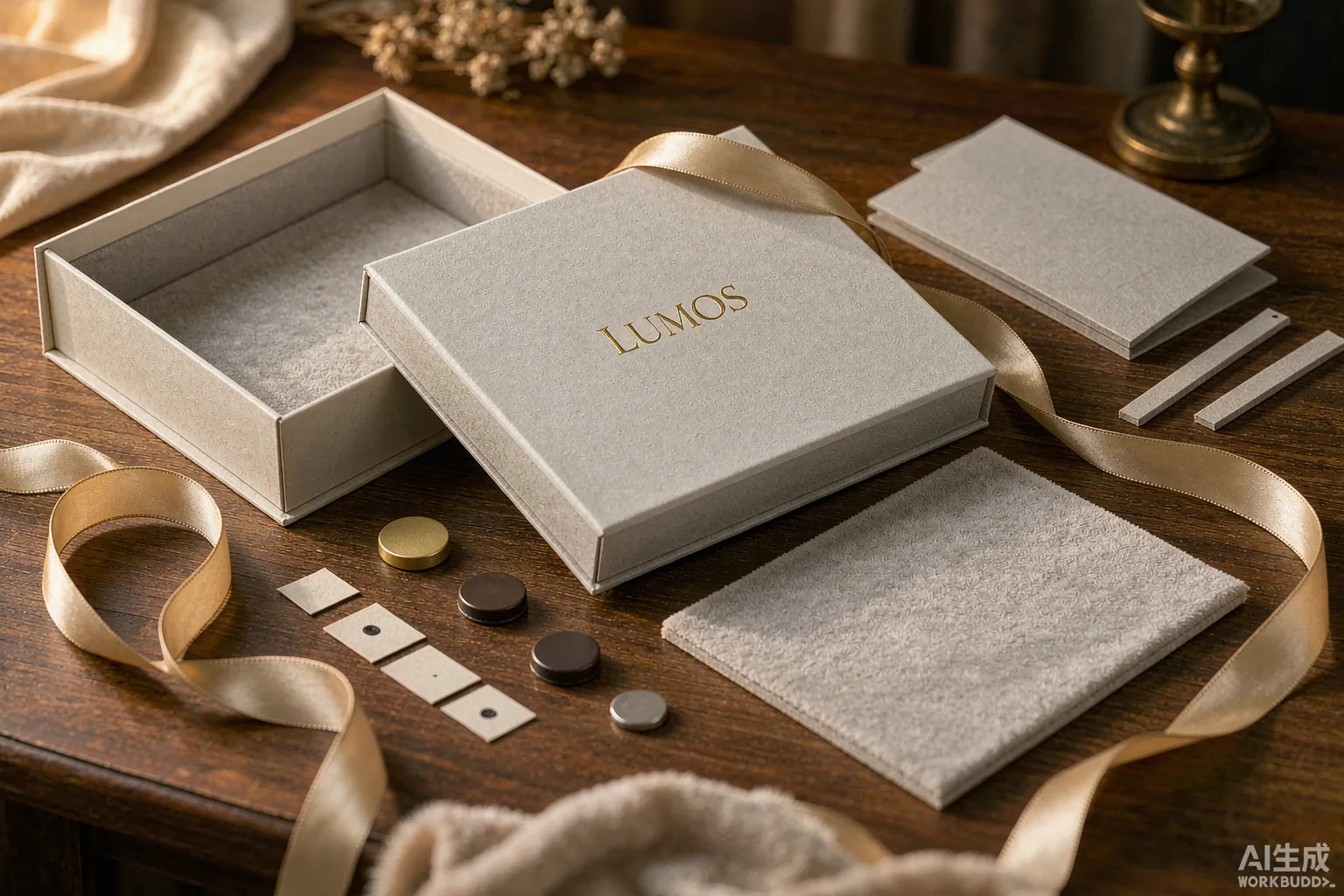
What happened instead is rarer and harder: the city kept its hands, and changed what they made and how they made it. The same machines that once stamped out a million identical boxes now, when asked, stop to do something slower — a deboss that has to be just deep enough, a foil that has to sit just so. The factory did not leave. It grew a sense of craft, the way a man grows a conscience.
Dongguan did not stop being a factory. It became a factory that cares. And that is a different thing entirely.
Learning to sign.
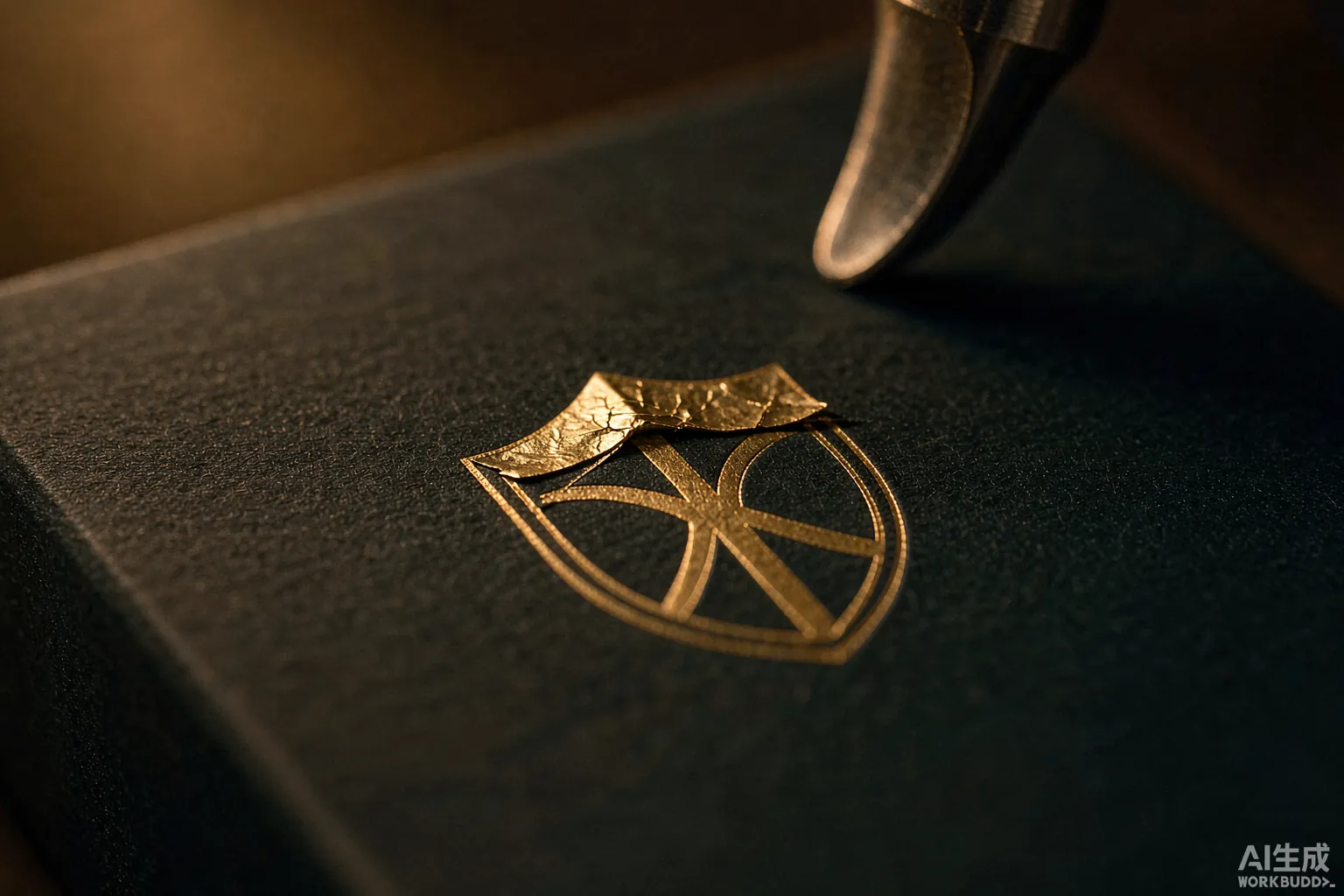
And here is the quiet heart of it: a city that was once invisible began, piece by piece, to sign its work.
Not with fanfare. Not with a slogan. A signature, when it is real, is a small and serious thing. It appears in the corner, under the lid, on the underside — wherever the maker can say, without shouting: this one is ours. If something is wrong with it, come find me.
That is what a signature means, and it is why the nameless years were necessary. You cannot sign a thing you have not learned to make well. The signature comes last, not first, because it is a promise — and you can only promise what you can keep.
A factory can make anything. It takes forty years of making, and the courage to be tired of being nameless, before it earns the right to sign.
The city that stayed.
The world still needs engines. It always will. But the world no longer needs Dongguan to be invisible.
The turn is not finished. No turn ever is. It is happening now, in a thousand factories across this one city, every time someone looks at a box and refuses to let it leave until it is right — and then, for the first time in forty years, lets it leave carrying a name.
Dongguan's turn is not a turn away from making. It is a turn from making for the world, to being remembered by it.
The world's factory has learned to sign its work. That is the whole story — and it is still being written.
GBA Pack — From the world's factory to the world's signing hand. Dongguan, China.