 English




S4-3: Perfume and the Middle East: A Thousand-Year Lineage in One Box
Published: 2026-09-05 | Series 4: The World — Perfume | Reading time: 7 minutes
Perfume and the Middle East: A Thousand-Year History in a Box of Fragrance
Long before perfume was sold in boutiques, it traveled in caravans.
Frankincense from the southern deserts. Oud from distant forests. Musk, amber, rose — carried across sands by people who understood something the rest of the world would learn later: that scent is not a luxury added to life. It is a way of remembering, honoring, and welcoming.
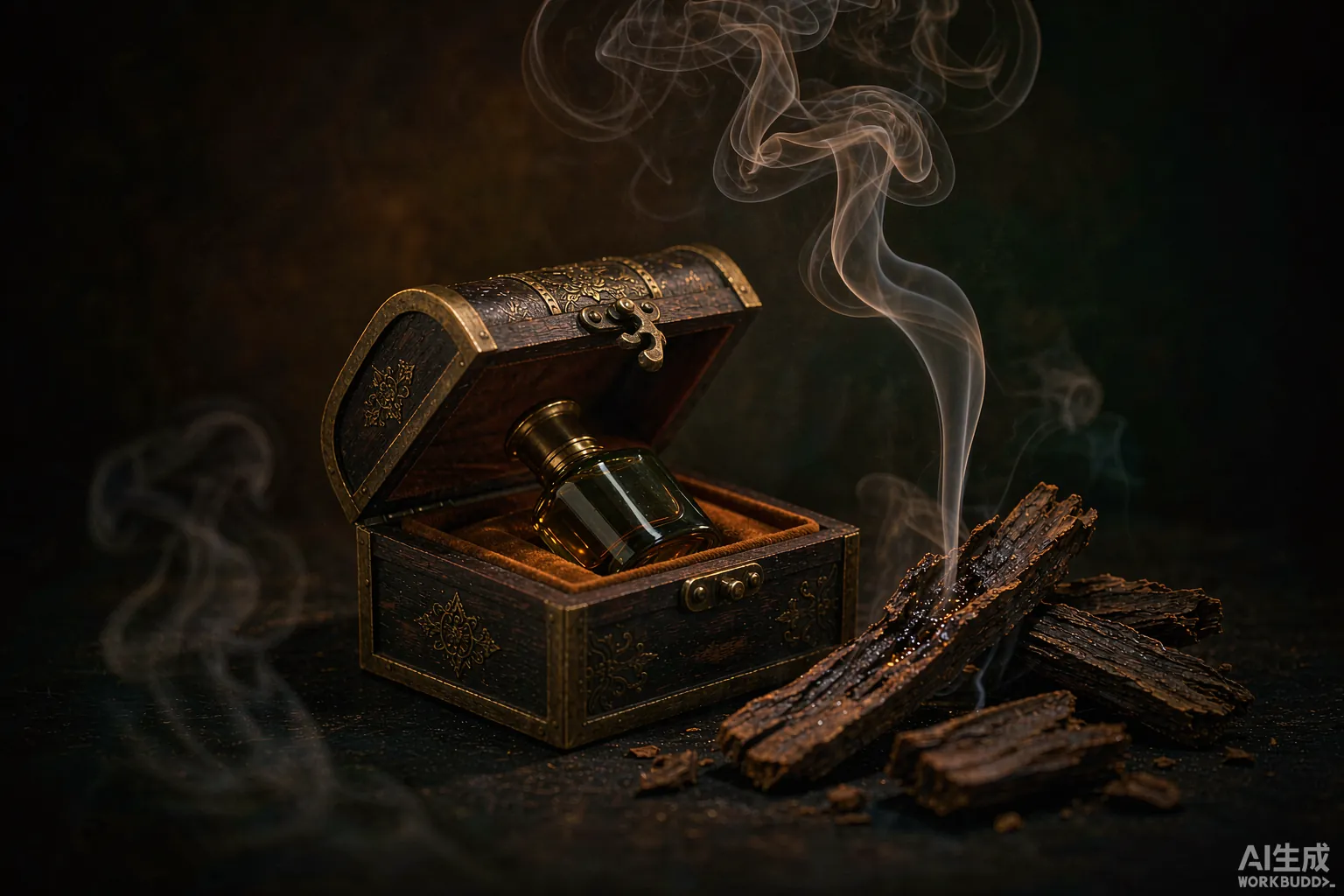
To understand why a perfume box in the Middle East is built like a small treasure chest, you have to start with the smoke.
The smoke that welcomed guests.
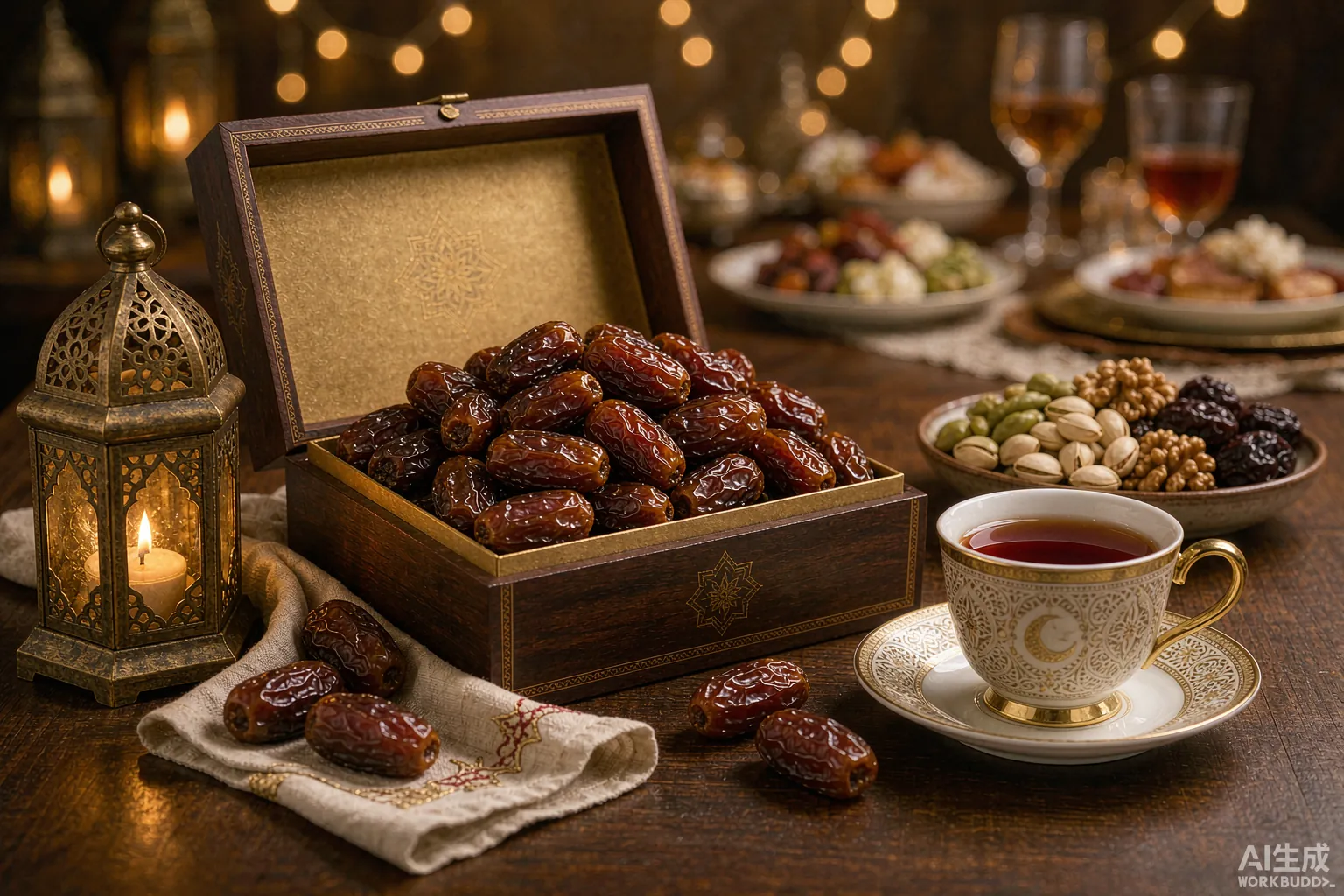
In the Gulf, hospitality has a scent. When a guest arrives, incense is lit — oud chips glowing over charcoal, smoke curling through the majlis. Guests are invited to scent their clothes and beards with it. This is not decoration. It is a sentence spoken without words: you are honored here.
In a culture where welcome has a fragrance, perfume is never just a product. It is part of the grammar of respect.
The wood worth more than gold.
At the heart of this world is oud — the dark, resin-rich heartwood that forms when a certain tree heals itself. The finest oud has been treasured for centuries, traded along routes that connected forests in Asia to courts in Arabia. A small piece of good oud could be worth more than its weight in gold.
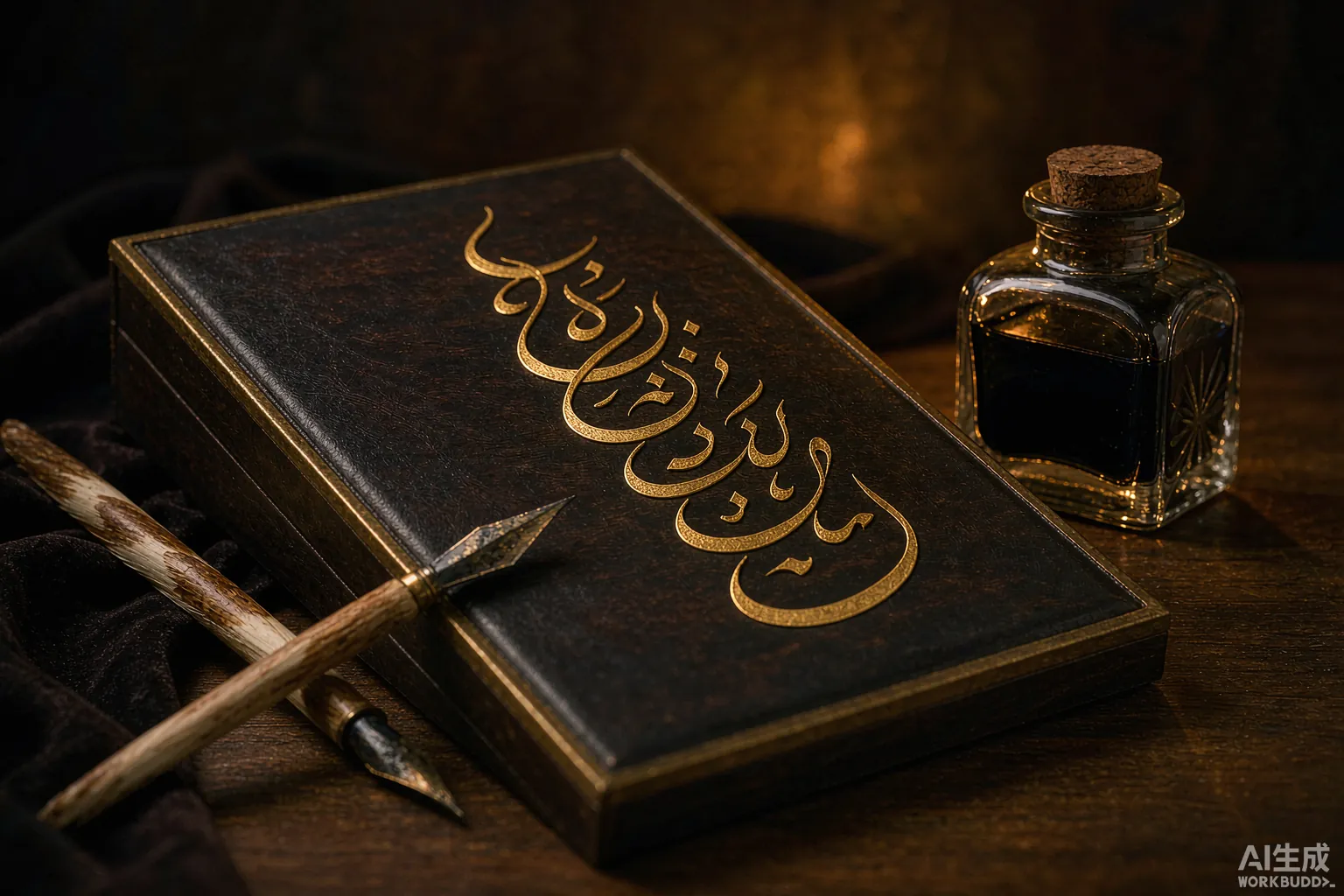
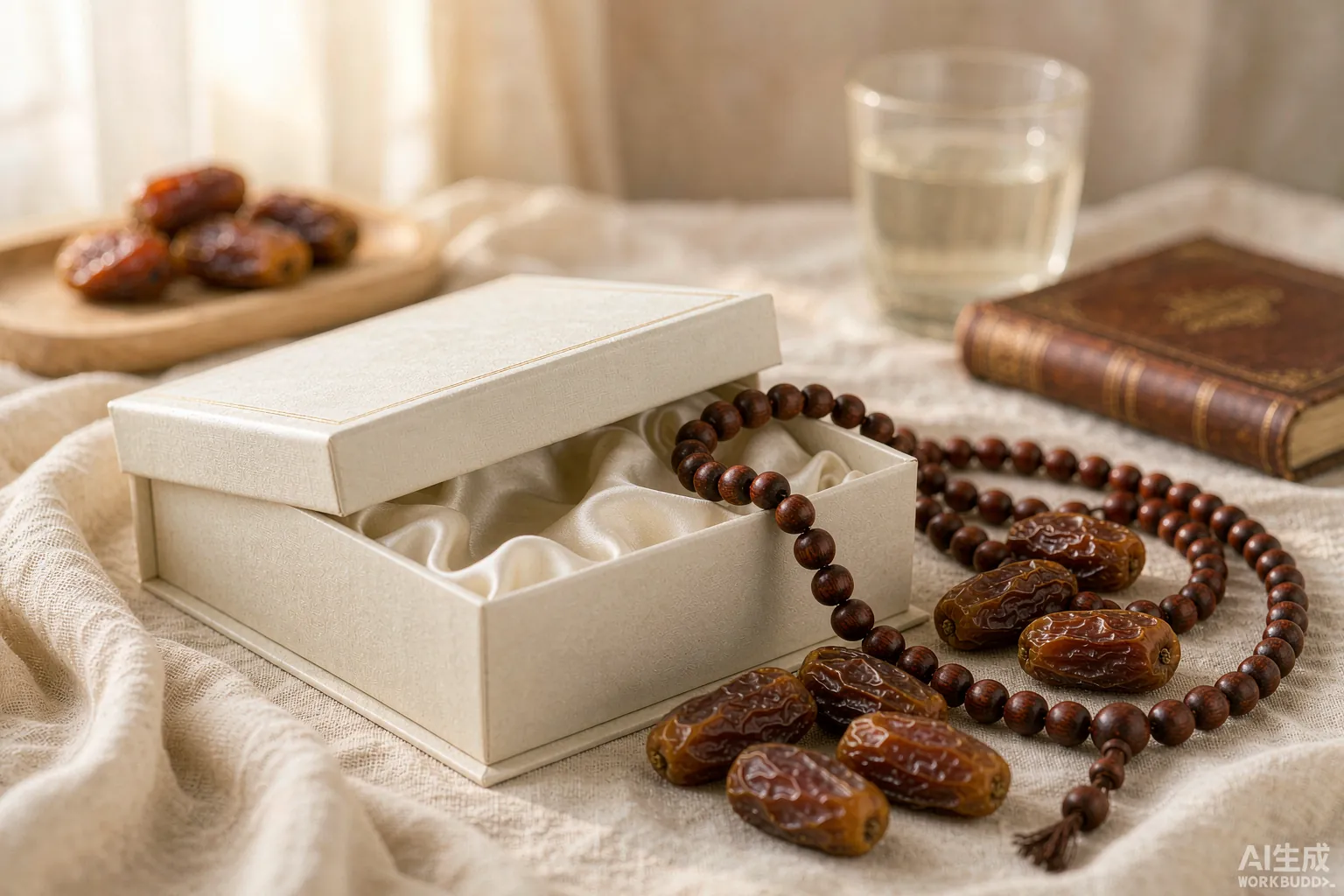
When something that precious is given as a gift, the container cannot be an afterthought. The box has to rise to the level of what it holds. That expectation — born of incense and oud — is why, to this day, a perfume box in this region is expected to feel like a jewel box: heavy in the hand, slow to open, lined like a secret.
A daily ritual, not an occasion.
In much of the world, perfume is for evenings and events. In the Gulf, scent is daily. It is applied before prayers, before visits, before the weekly gathering. Layering is an art — oil first, then spray, then a final pass through incense smoke, so that a person carries their own weather with them through the day.
And because scent is daily, gifting scent is constant. A bottle of perfume is one of the safest, warmest gifts one person can give another — which means, quietly, that the box it arrives in is one of the most-seen objects in the whole culture of giving.
The bottle as an heirloom, the box as its house.
Walk through an old souq and you will see it: perfume bottles shaped like treasures, stoppers like jewels. In a tradition where the bottle is beautiful, the box is the bottle's house — and houses, in this part of the world, are built to be proud of.
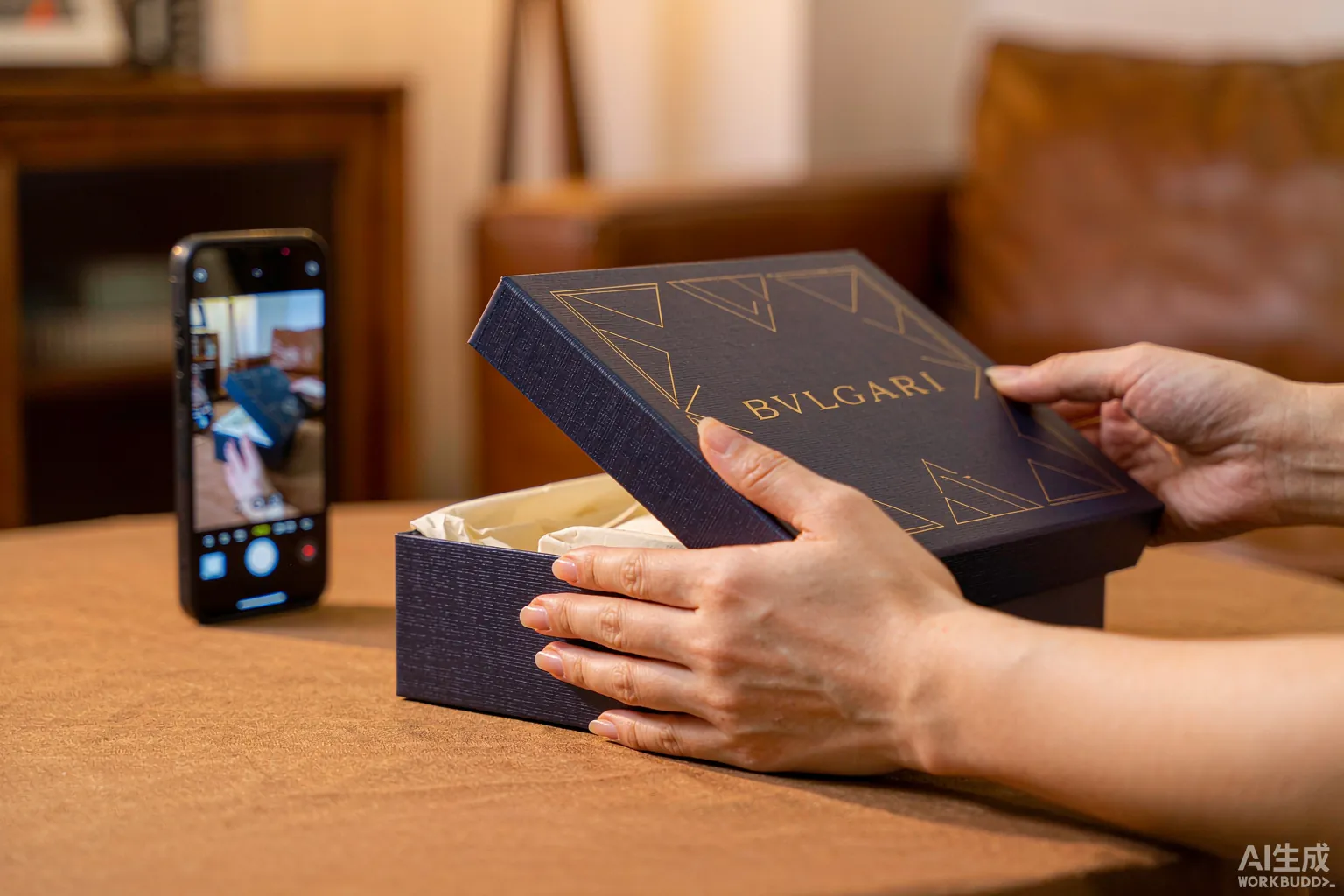
A well-made perfume box here does things a box elsewhere is rarely asked to do. It must hold a heavy glass bottle as securely as a vault. It must open with ceremony, often from the front or the top like a chest. And increasingly, it must survive the unboxing video — because a new generation discovers fragrance on a phone screen first, and the box is the first frame of the film.
Where two gift cultures meet.
There is a detail we love. In China, we also have an ancient culture of precious scent — incense for scholars, sachets as tokens of affection, fragrant woods treasured in lacquered boxes. Two civilizations, at two ends of the same old trade routes, both decided long ago that a beautiful smell deserves a beautiful container.
The caravans that once carried frankincense west carried silk and porcelain east. Today, the boxes travel instead. And in a way, nothing has changed: the gift is still precious, and the hands that wrap it still matter.
What the fragrance leaves in the box.
Perfume evaporates; that is its nature. But anyone who has kept an old perfume box knows its secret: the scent stays. Years later, open the box and the oud is still there, faint in the paper and the lining, like a guest who never quite left.
A box that can hold a memory like that is not packaging. It is the last note of the perfume — the one that lasts longest.
Profile 3 of Series 4 — on the perfume box as the modern heir to a thousand-year-old Eastern tradition of scent, glass, and gift.